Description
Chloramphenicol Eye Treatment
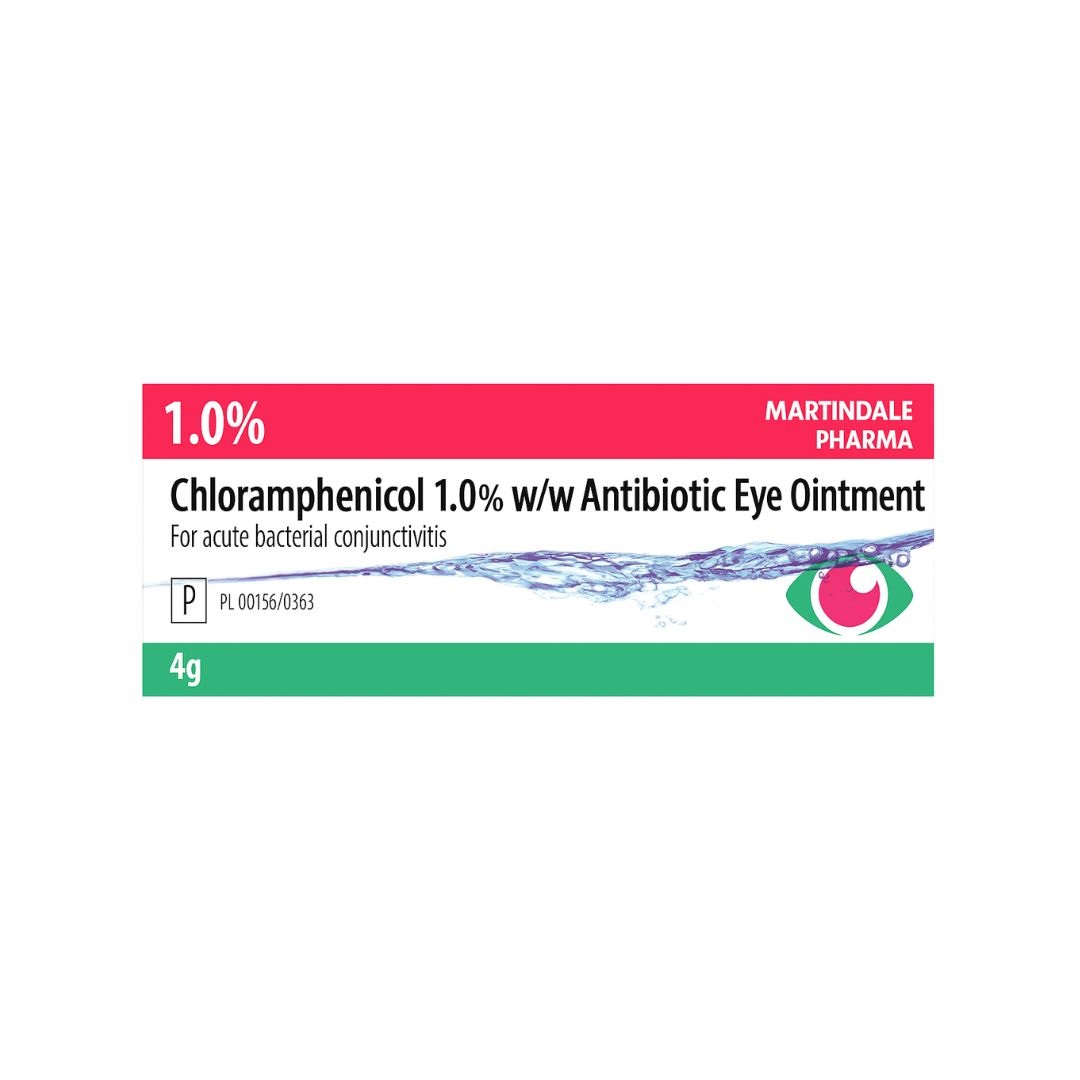
Chloramphenicol is an antibiotic medicine commonly used to treat certain bacterial eye infections, including bacterial conjunctivitis. It works by stopping the growth of bacteria, helping the infection clear and reducing symptoms such as redness, irritation and discomfort.
This treatment should only be used when a bacterial infection is suspected or confirmed and when chloramphenicol is considered appropriate by a pharmacist, doctor or other qualified healthcare professional.
How Does Chloramphenicol Work?
Chloramphenicol works by interfering with the ability of bacteria to produce the proteins they need to grow and multiply. By limiting bacterial growth, the medicine allows the body’s natural defences to help clear the infection.
Using Chloramphenicol Safely
Use chloramphenicol exactly as advised by your pharmacist, prescriber or the instructions in the patient information leaflet.
Apply or use the medicine at the recommended intervals and continue for the advised length of time. Do not use more than recommended and do not continue treatment for longer than instructed.
Even if your symptoms begin to improve, follow the treatment instructions carefully to help ensure the infection is properly managed.
Who Should Seek Advice Before Use?
Speak to a pharmacist or healthcare professional before using chloramphenicol if you:
- Have previously had an allergic reaction to chloramphenicol
- Have an existing eye condition
- Are using other eye medicines
- Are pregnant or breastfeeding
- Have severe eye pain or changes in vision
- Are unsure whether your symptoms are caused by a bacterial infection
Important Information
Not all red or irritated eyes are caused by bacterial infections. Viral infections, allergies and other eye conditions may require different treatment.
If your symptoms worsen, do not improve within the expected treatment period, or you experience severe pain, sensitivity to light or changes in your vision, contact a healthcare professional promptly.
Always read the patient information leaflet before using chloramphenicol and follow the advice provided by your pharmacist or prescriber.
Directions
How Should I Use Chloramphenicol?
Chloramphenicol for eye infections is commonly supplied as eye drops or eye ointment. Always use it exactly as directed by your pharmacist, doctor or the patient information leaflet.
Before Using Chloramphenicol
Wash and dry your hands thoroughly before applying the medicine. This helps reduce the risk of introducing additional bacteria into the eye.
How to Apply Chloramphenicol Eye Drops or Ointment
Gently pull down the lower eyelid to create a small pocket.
Apply the recommended amount of eye drops or ointment into this space, taking care not to let the tip of the bottle or tube touch your eye, eyelashes, fingers or any other surface.
After applying the medicine, gently close your eye for a short time to allow the treatment to spread across the surface of the eye.
Complete the Recommended Course
Continue using chloramphenicol for the length of time advised, even if your symptoms begin to improve earlier.
Do not use more than the recommended amount or continue treatment for longer than instructed.
When to Seek Medical Advice
Speak to your pharmacist, doctor or prescriber if your symptoms become worse, do not improve as expected, or you experience significant irritation, pain or changes in your vision.
Always read the patient information leaflet supplied with your chloramphenicol treatment before use.
Ingredients
What Ingredients Are in Chloramphenicol?
Chloramphenicol eye treatments contain chloramphenicol as the active ingredient. This antibiotic works against certain bacteria that can cause eye infections, including bacterial conjunctivitis.
Active Ingredient
The active ingredient is chloramphenicol. The strength and formulation can vary depending on whether the medicine is supplied as eye drops or eye ointment.
Other Ingredients
Chloramphenicol products may also contain inactive ingredients such as preservatives, stabilising agents, buffering ingredients or other substances used to maintain the quality and consistency of the medicine.
Because the exact formulation can vary between manufacturers and product types, always check the patient information leaflet supplied with your chloramphenicol eye treatment for the complete list of ingredients.
Important Allergy Information
If you have any known allergies or sensitivities to medicines or other ingredients, check the product information carefully before use.
Speak to your pharmacist, doctor or prescriber if you are unsure whether a particular chloramphenicol formulation is suitable for you.
Always read the patient information leaflet before using chloramphenicol.
Side Effects
What Are the Side Effects of Chloramphenicol?
Like all medicines, chloramphenicol can cause side effects, although not everyone will experience them. Most side effects associated with chloramphenicol eye treatment are mild and affect the area where the medicine is applied.
Common or Mild Side Effects
Some people may experience:
- Temporary stinging or burning in the eye
- Mild eye irritation
- Redness
- Temporary blurred vision after application
These effects are usually short-lived. If they persist or become uncomfortable, speak to your pharmacist, doctor or prescriber.
Serious Side Effects
Serious reactions are rare, but you should seek medical advice promptly if you experience:
- Severe or persistent eye irritation
- Swelling around the eyes or face
- Difficulty breathing
- A severe allergic reaction
- Unexplained bruising, bleeding, unusual tiredness or other symptoms that may suggest a blood-related problem
When to Seek Medical Advice
Stop using chloramphenicol and seek medical advice if you develop severe, unusual or worsening symptoms.
Always use chloramphenicol exactly as directed and read the patient information leaflet supplied with the medicine for a complete list of possible side effects and safety information.
If you have any concerns about using chloramphenicol eye drops or ointment, speak to a pharmacist or healthcare professional.
Warnings
Chloramphenicol should only be used as directed by a pharmacist, doctor or other qualified healthcare professional. Before starting treatment, make sure you provide details of any medical conditions, allergies or medicines you are currently taking.
Who Should Avoid Chloramphenicol?
Do not use chloramphenicol if you have previously had an allergic reaction to chloramphenicol or any of the other ingredients in the product.
You should also seek medical advice before use if you have any existing eye conditions, a history of blood disorders, or are unsure whether the treatment is suitable for your symptoms.
Using Other Medicines
Tell your pharmacist or prescriber about any prescription medicines, over-the-counter treatments, supplements or other eye products you are using. This helps reduce the risk of potential interactions or unwanted effects.
Pregnancy and Breastfeeding
If you are pregnant, think you may be pregnant, are planning a pregnancy or are breastfeeding, speak to a healthcare professional before using chloramphenicol.
When to Seek Medical Advice
Stop using the treatment and seek medical advice if you experience unusual, severe or worsening symptoms.
Seek urgent medical attention if you develop signs of a serious allergic reaction, such as swelling of the face, lips, tongue or throat, difficulty breathing or a severe skin reaction.
Always use chloramphenicol exactly as directed and read the patient information leaflet supplied with the medicine before treatment.











Reviews
There are no reviews yet.