Description
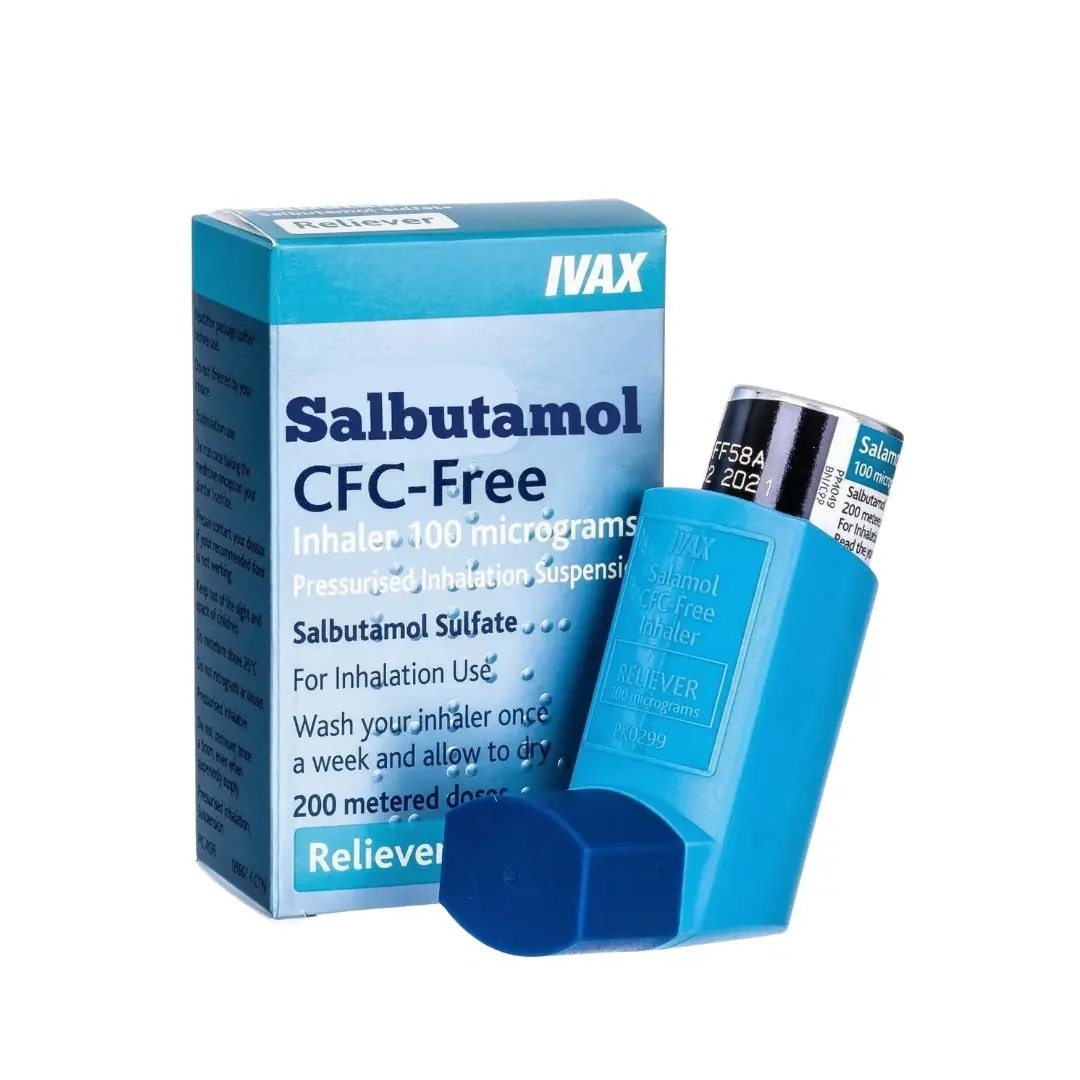
Salbutamol (blue inhaler) is a commonly prescribed medication that helps to relieve breathing difficulties. It belongs to a group of medicines known as bronchodilators. These work by relaxing the muscles in the airways, making it easier to breathe. This treatment may suit individuals who experience symptoms such as wheezing, shortness of breath, or tightness in the chest. It is often used by people with asthma or chronic obstructive pulmonary disease (COPD), although a healthcare professional. should confirm suitability before use..
Salbutamol can fit well into daily life because it typically provides quick relief from breathing problems. Many people use it as needed, especially before exercise or during episodes of breathlessness. It is important to follow the prescribed dosage and not exceed it. Safety is a priority when using Salbutamol. Some users may experience side effects such as a fast heartbeat or shakiness. If you notice any unusual symptoms or if your breathing does not improve, consult your prescriber promptly.
Always inform your healthcare provider of any other medications you take or health conditions you have. In summary, Salbutamol offers a valuable option for managing breathing difficulties. Use it responsibly under medical guidance to support your respiratory health and maintain an active lifestyle.
If you are considering treatment, pair it with balanced nutrition, regular activity, and good sleep. A healthcare professional can help you decide if it suits your needs and how to use it safely.
Directions
How should I use Salbutamol?
Salbutamol should be used exactly as directed by your healthcare professional or according to the instructions in the patient information leaflet. It is typically used as a reliever inhaler to ease symptoms such as wheezing, shortness of breath, and chest tightness when they occur.
Shake the inhaler well before use, breathe out gently, then place the mouthpiece in your mouth and press down on the canister as you begin to breathe in slowly and deeply. Hold your breath for a few seconds before breathing out. If a second dose is needed, wait about 30 seconds before repeating.
Use Salbutamol as needed for symptom relief, but if you find you need it more frequently than usual, speak to your healthcare provider.
Ingredients
What ingredients are in Salbutamol?
Salbutamol inhalers contain the active ingredient salbutamol sulfate, a bronchodilator that helps open up the airways in the lungs.
In addition to the active ingredient, inhalers may contain inactive components such as propellants (for pressurised inhalers) or lactose (in dry powder inhalers). These help deliver the medication effectively into the lungs.
Always check the patient information leaflet supplied with your inhaler for a full and accurate list of ingredients, especially if you have allergies or sensitivities. If you are unsure, speak to your pharmacist before use.
Warnings
Warnings and precautions
Salbutamol may not be suitable for everyone. Speak to a healthcare professional before using it if you have heart problems, high blood pressure, diabetes, or an overactive thyroid. Caution is also advised if you are taking other medications, particularly beta-blockers or other asthma treatments.
Using Salbutamol too frequently may indicate that your asthma or respiratory condition is not well controlled. If your symptoms worsen or you need to use your inhaler more often than usual, seek medical advice promptly.
If you experience chest pain, a rapid heartbeat, or worsening breathing difficulties after use, seek medical attention immediately. If you are pregnant or breastfeeding, consult your doctor or pharmacist before use.
Side Effects
What are the side effects of Salbutamol?
Salbutamol may cause side effects, although many people use it without significant problems. Common side effects can include trembling, headache, muscle cramps, or a fast heartbeat, especially shortly after use. These effects are usually mild and temporary.
Less commonly, some people may experience palpitations, anxiety, or dizziness. Rare but more serious side effects can include severe allergic reactions or worsening breathing immediately after use.
If you experience severe or unusual symptoms, such as chest pain or difficulty breathing, seek medical advice promptly. Always use Salbutamol as directed and consult a healthcare professional if you have concerns.
Storage
How do I store Salbutamol?
Store your Salbutamol inhaler at room temperature in a cool, dry place, away from direct heat and sunlight. Do not expose it to high temperatures or puncture the canister.
Keep out of sight and reach of children and do not use after the expiry date printed on the packaging. If the inhaler is damaged or not working properly, speak to your pharmacist for advice.






Reviews
There are no reviews yet.