
Additional information
| Strength | 1% W/W |
|---|---|
| Pack Size | 15G |
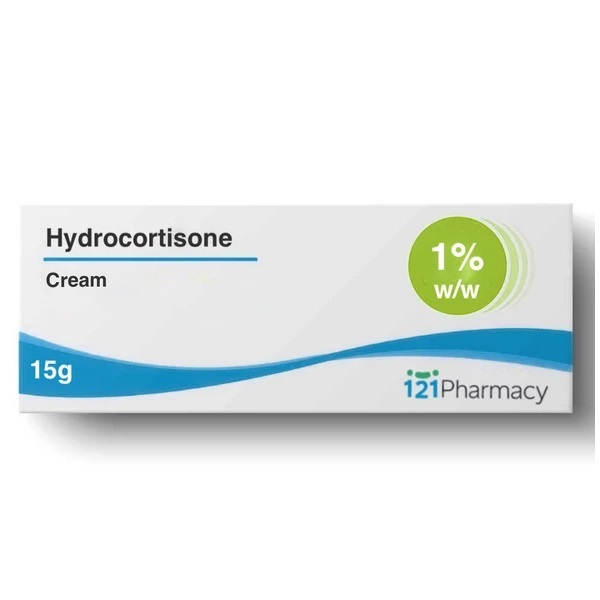
Hydrocortisone Cream 1% is a mild topical corticosteroid used to relieve inflammation, itching and redness caused by a range of minor inflammatory skin conditions.
£5.00

Safe & compliant prescribing

UK-Registered Pharmacy

Quick, hassle-free online consultation

Your data is 100% protected

Next-day UK delivery available

NHS Providing Service since 2020
| Strength | 1% W/W |
|---|---|
| Pack Size | 15G |
What Is Hydrocortisone Cream 1%?
Hydrocortisone Cream 1% is a mild topical corticosteroid used for the short-term relief of inflammation, redness and itching caused by a range of minor inflammatory skin conditions.
It contains hydrocortisone 1%, which works by reducing the inflammatory response within the skin. This can help ease discomfort and calm irritated areas during a flare-up.
What Is Hydrocortisone Cream Used For?
Depending on the specific product supplied, Hydrocortisone Cream 1% may be used for:
It should only be used on conditions for which hydrocortisone is appropriate.
How Does Hydrocortisone Cream Work?
Skin inflammation occurs when the body’s immune response causes changes such as redness, swelling, itching and irritation.
Hydrocortisone is a corticosteroid that acts locally in the skin to reduce this inflammatory response. When used correctly, it can help:
Hydrocortisone 1% is classed as a mild corticosteroid, rather than a stronger topical steroid.
Short-Term Treatment for Eczema and Dermatitis
Hydrocortisone 1% is intended for short-term treatment.
For many UK pharmacy products, a small amount is applied sparingly once or twice daily for a maximum of 7 days. If the condition becomes worse or does not improve after this time, speak to a doctor or pharmacist.
Do not continue treatment for longer than recommended without professional advice, as excessive or prolonged use of topical corticosteroids can increase the risk of side effects.
Who Can Use Hydrocortisone Cream?
Many pharmacy-supplied Hydrocortisone 1% creams can be used by:
Children under 10 years should only use hydrocortisone cream when advised or supervised by a healthcare professional.
Age restrictions can differ between brands, so always check the patient information leaflet supplied with your particular product.
Important Information
Hydrocortisone Cream should not be used on every type of rash or skin irritation.
Depending on the product, it may not be suitable for:
Always check the instructions for the exact Hydrocortisone 1% Cream supplied to you.
For professional advice about Hydrocortisone Cream 1%, eczema, dermatitis, insect bite reactions or inflamed skin, speak to a qualified healthcare professional at Chesterfield Delivery Pharmacy.
How Should I Use Hydrocortisone Cream 1%?
Hydrocortisone Cream 1% is applied directly to the skin rather than taken by mouth. Always use it exactly as described in the patient information leaflet or as advised by your pharmacist, doctor or other healthcare professional.
How to Apply Hydrocortisone Cream
Depending on the specific Hydrocortisone 1% product supplied, it is commonly applied once or twice daily.
How Long Should I Use Hydrocortisone Cream?
Many pharmacy Hydrocortisone 1% creams are intended for short-term use for a maximum of 7 days unless a doctor advises otherwise.
If your skin condition has not improved after 7 days, becomes worse, or repeatedly returns after treatment, speak to a doctor or pharmacist.
Should I Cover the Treated Area?
Do not normally cover Hydrocortisone Cream with:
Covering the treated skin can increase the amount of corticosteroid absorbed into the body and may increase the risk of side effects.
Only use a dressing if a healthcare professional has specifically advised you to do so.
Where Should Hydrocortisone Cream Be Used?
Hydrocortisone Cream is for external use on the skin only.
Do not apply it to:
Take particular care when using topical corticosteroids on the face or other sensitive areas.
What If I Forget an Application?
If you forget to apply Hydrocortisone Cream, use it when you remember unless it is nearly time for your next application.
Do not apply extra cream to make up for a missed treatment.
Important Information
Do not use Hydrocortisone Cream more frequently, over a larger area or for longer than recommended.
Different Hydrocortisone 1% products can have slightly different instructions, age restrictions and approved uses, so always check the patient information leaflet supplied with your specific medicine.
For professional advice about Hydrocortisone Cream 1%, eczema, dermatitis, insect bite reactions or inflamed skin, speak to a qualified healthcare professional at Chesterfield Delivery Pharmacy.
What Ingredients Are in Hydrocortisone Cream 1%?
Hydrocortisone Cream 1% contains hydrocortisone as its active ingredient. Hydrocortisone is a mild topical corticosteroid used to reduce inflammation, itching, redness and irritation in suitable inflammatory skin conditions.
Active Ingredient
Each 1g of Hydrocortisone Cream 1% contains:
This is the ingredient responsible for the anti-inflammatory effect of the medicine.
Other Ingredients
The inactive ingredients, also known as excipients, can vary depending on the manufacturer and formulation supplied.
Hydrocortisone creams may contain ingredients such as:
These ingredients do not provide the corticosteroid effect but help maintain the consistency, stability and application of the cream.
Important Allergy Information
Some Hydrocortisone Cream formulations contain ingredients that can cause local skin reactions or allergic responses in susceptible people.
For example, certain products may contain:
If you have known allergies or sensitivities to skincare or medicine ingredients, check the leaflet supplied with your particular product before use.
Check the Product Supplied
As Hydrocortisone Cream 1% is available from several manufacturers in the UK, the inactive ingredient list may differ between products.
Always read the patient information leaflet supplied with your medicine for the complete and most up-to-date list of ingredients.
For advice about Hydrocortisone Cream 1%, its ingredients or suitability for eczema, dermatitis or inflamed skin, speak to a qualified healthcare professional at Chesterfield Delivery Pharmacy.
Hydrocortisone Cream 1% is a mild topical corticosteroid used for the short-term treatment of suitable inflammatory skin conditions. It should be used only on the affected area and for the recommended length of time.
Do Not Use Hydrocortisone Cream If:
Hydrocortisone 1% may not be suitable if:
Different Hydrocortisone 1% products can have slightly different restrictions, so always check the patient information leaflet supplied with your medicine.
Use Only for a Short Period
For many pharmacy Hydrocortisone 1% creams, treatment should be limited to once or twice daily for a maximum of 7 days, unless a doctor advises otherwise.
Using topical corticosteroids for too long, over large areas or more frequently than recommended can increase absorption into the body and raise the risk of unwanted effects.
Children
Many pharmacy Hydrocortisone 1% products should not be used in children under 10 years of age without medical advice.
Children can absorb proportionally more corticosteroid through the skin, so prolonged treatment should be avoided.
Using Hydrocortisone on the Face
The skin on the face is more sensitive to corticosteroids.
Do not use Hydrocortisone Cream on the face unless the product instructions allow it or a doctor has advised you to do so. Prolonged facial use should be avoided because the skin can become more susceptible to steroid-related side effects.
Do Not Cover the Treated Area
Do not normally cover Hydrocortisone Cream with airtight or occlusive dressings.
Covering the skin can increase absorption of the corticosteroid and may increase the chance of unwanted effects.
Skin Infections
Do not use Hydrocortisone Cream to self-treat an untreated skin infection.
If an infection develops, spreads or becomes worse while you are using the cream, stop treatment and seek medical advice. An antibacterial, antifungal or antiviral treatment may be required.
Psoriasis
Hydrocortisone should be used with caution in people with psoriasis and generally only under professional supervision.
Topical corticosteroids can sometimes cause rebound flare-ups or other complications when used incorrectly in psoriasis.
Pregnancy and Breastfeeding
If you are pregnant, think you may be pregnant or are breastfeeding, speak to a doctor or pharmacist before using Hydrocortisone Cream.
During breastfeeding, Hydrocortisone Cream should not be applied to the breast or chest area where it could come into contact with the baby.
Using Other Medicines or Skin Treatments
No specific medicine interactions are listed for the referenced Hydrocortisone 1% Cream formulation.
However, tell your pharmacist or doctor about any other creams, ointments or medicines you are using, especially if several products are being applied to the same area of skin.
Allergic Reactions
Stop using Hydrocortisone Cream and seek medical advice if you develop:
Some Hydrocortisone Cream formulations contain ingredients such as chlorocresol or cetostearyl alcohol, which can cause allergic or local skin reactions in susceptible people.
Topical Steroid Withdrawal
Long-term or repeated use of topical corticosteroids can occasionally cause a withdrawal reaction when treatment is stopped.
Symptoms may include redness spreading beyond the original area, burning, stinging, itching, peeling or oozing skin.
If your condition returns soon after stopping treatment, speak to a healthcare professional before restarting the cream.
When Should I Seek Medical Advice?
Speak to a doctor or pharmacist if:
Always use Hydrocortisone Cream exactly as directed and read the patient information leaflet supplied with your particular product.
For professional advice about Hydrocortisone Cream 1%, eczema, dermatitis, insect bite reactions or inflamed skin, speak to a qualified healthcare professional at Chesterfield Delivery Pharmacy.
What Are the Side Effects of Hydrocortisone Cream 1%?
Like all medicines, Hydrocortisone Cream 1% can cause side effects, although not everyone will experience them.
When used correctly and for a short period, Hydrocortisone 1% is generally well tolerated. The risk of unwanted effects increases if the cream is used too frequently, over large areas of skin, under airtight dressings or for longer than recommended.
Possible Local Side Effects
Some people may experience effects at the application site, including:
If your skin becomes more inflamed, swollen or uncomfortable after applying the cream, stop using it and speak to a pharmacist or doctor. This could indicate an allergic reaction, infection or the need for a different treatment.
Side Effects With Prolonged or Excessive Use
Using Hydrocortisone Cream for longer than recommended, particularly on thin skin, skin folds, large areas or beneath airtight dressings, can increase the risk of:
These effects are more likely with prolonged or inappropriate use than with a short course of treatment.
Effects From Excessive Absorption
If large amounts of topical hydrocortisone are absorbed into the body over a prolonged period, steroid-related effects can occasionally occur.
These may include:
Children can be more susceptible to these effects because they may absorb proportionally more corticosteroid through the skin.
Blurred Vision
Blurred vision has been reported with topical corticosteroid use.
If you develop blurred vision or another change to your eyesight while using Hydrocortisone Cream, speak to a doctor or other healthcare professional.
Topical Steroid Withdrawal Reactions
After prolonged or frequent corticosteroid use, some people may experience a withdrawal reaction when treatment is stopped.
Possible symptoms include:
If your condition returns shortly after stopping treatment, particularly if the flare looks different from your original skin condition, speak to a healthcare professional before restarting the cream.
When Should I Seek Medical Advice?
Stop using Hydrocortisone Cream and seek medical advice if:
Important Information
Use Hydrocortisone Cream only for the recommended treatment period and do not apply more frequently or over a larger area than advised.
Different Hydrocortisone 1% products may have slightly different formulations and side-effect information, so always read the patient information leaflet supplied with your specific medicine.
For professional advice about Hydrocortisone Cream 1%, topical steroid side effects, eczema or dermatitis treatment, speak to a qualified healthcare professional at Chesterfield Delivery Pharmacy.
How Should I Store Hydrocortisone Cream 1%?
Hydrocortisone Cream should be stored correctly to help maintain the quality of the medicine throughout its shelf life.
Storage Instructions
The expiry date refers to the last day of the month stated on the packaging.
Where Should I Keep Hydrocortisone Cream?
Choose a suitable storage area where the temperature remains below 25°C and where children cannot access the medicine.
Avoid leaving the tube close to radiators, heaters or other sources of excessive heat.
Disposing of Unused or Expired Cream
Do not dispose of unwanted Hydrocortisone Cream through household wastewater.
Take expired or unused medicine to a pharmacy and ask how it should be disposed of safely.
Important Information
Storage requirements can vary slightly between manufacturers, so always follow the instructions printed on the packaging and in the patient information leaflet supplied with your specific Hydrocortisone Cream 1%.
For advice about Hydrocortisone Cream 1%, medicine storage or safe disposal, speak to a qualified healthcare professional at Chesterfield Delivery Pharmacy.





This website sells age-restricted products. Please confirm you are 18 years of age or older to continue.
Sorry, you must be 18 years or older to access this website.
Leave Site
Reviews
There are no reviews yet.