Description
What Is Clarithromycin?
Clarithromycin is a macrolide antibiotic used to treat certain bacterial infections. It works by preventing susceptible bacteria from producing proteins they need to grow and multiply, helping the body bring the infection under control.
It is a prescription-only medicine and should only be used following an appropriate assessment by a healthcare professional.
What Is Clarithromycin Used For?
Depending on the infection and the individual patient, Clarithromycin may be prescribed for conditions including:
- Acute bacterial sinusitis
- Certain bacterial throat infections
- Chest and lower respiratory tract infections
- Community-acquired pneumonia
- Exacerbations of chronic bronchitis
- Certain skin and soft tissue infections
Clarithromycin may also be prescribed alongside other medicines to help eradicate Helicobacter pylori (H. pylori) in people with associated stomach or duodenal ulcers.
How Does Clarithromycin Work?
Clarithromycin interferes with bacterial protein production. Without these essential proteins, susceptible bacteria are unable to multiply effectively.
It only treats certain bacterial infections and will not work against viral illnesses such as colds or flu.
Who Can Take Clarithromycin?
Clarithromycin can be prescribed to adults and children when clinically appropriate.
Standard film-coated tablets are commonly used in adults and adolescents aged 12 years and over, while liquid formulations may be prescribed for younger children using a dose calculated according to factors such as body weight and the infection being treated.
How Often Is Clarithromycin Taken?
The dose and frequency depend on the formulation and condition being treated.
Standard Clarithromycin tablets are commonly prescribed at 250mg to 500mg twice daily.
Modified-release Clarithromycin tablets are usually taken once daily, although different dosing may be required for certain infections.
Always follow the exact instructions provided by your prescriber.
Completing Your Antibiotic Treatment
Continue taking Clarithromycin for the full period prescribed, even if you begin to feel better before the course has finished.
Stopping treatment earlier than advised may allow the infection to return.
If your symptoms become worse or do not begin to improve within the expected timeframe, contact your healthcare professional for advice.
Tell Your Prescriber About Other Medicines
Clarithromycin can interact with a number of prescription medicines. Some combinations may significantly increase the risk of side effects.
Tell your doctor or pharmacist about all medicines, supplements and herbal products you take before starting treatment.
Particular care may be required with medicines including:
- Certain cholesterol-lowering statins
- Some medicines used to treat abnormal heart rhythms
- Warfarin and other anticoagulants
- Digoxin
- Colchicine
- Certain epilepsy medicines
- Some medicines used for HIV
- Certain sedatives and sleeping medicines
Some medicine combinations are contraindicated and must not be taken with Clarithromycin.
Heart Conditions
Clarithromycin can affect the electrical activity of the heart and may increase the risk of an abnormal heart rhythm in susceptible individuals.
Tell your healthcare professional if you:
- Have previously experienced an abnormal heart rhythm
- Have been diagnosed with a prolonged QT interval
- Have low potassium or magnesium levels
- Have significant heart disease
- Take medicines that can affect your heart rhythm
Certain combinations of Clarithromycin with other medicines are contraindicated because they can increase the risk of serious heart rhythm problems.
Liver and Kidney Problems
Tell your healthcare professional if you have liver or kidney disease before taking Clarithromycin.
The medicine is processed partly by the liver and removed from the body through the kidneys, so additional caution or dose adjustment may be required in some patients.
Clarithromycin should not be used in people with severe liver failure combined with kidney impairment.
Possible Side Effects
Like all medicines, Clarithromycin can cause side effects.
Common effects can include:
- Feeling sick
- Being sick
- Diarrhoea
- Abdominal discomfort
- Headache
- Changes in taste
Seek medical advice if side effects are severe, persistent or concerning.
Seek urgent medical attention if you develop symptoms of a serious allergic reaction, such as swelling of the face, lips, tongue or throat, difficulty breathing or a severe skin reaction.
Responsible Antibiotic Use
Do not:
- Take Clarithromycin without appropriate professional advice
- Use antibiotics left over from a previous infection
- Take medicine prescribed for another person
- Alter your prescribed dose yourself
- Use Clarithromycin to treat a viral infection
Appropriate antibiotic use helps ensure treatment remains effective while reducing unnecessary exposure and the risk of antimicrobial resistance.
Important Information
Clarithromycin can be an effective treatment for susceptible bacterial infections when it is prescribed appropriately.
Always follow your prescription instructions, read the patient information leaflet supplied with your medicine and tell your healthcare professional about any other medicines or medical conditions before starting treatment.
For professional advice about Clarithromycin, chest infections, bacterial respiratory infections, skin infections or antibiotic treatment, speak to a qualified healthcare professional at Chesterfield Delivery Pharmacy.
Directions
How Should I Take Clarithromycin?
Always take Clarithromycin exactly as prescribed by your doctor, pharmacist or other healthcare professional. The dose, frequency and length of treatment will depend on the type of bacterial infection being treated, the formulation supplied and your individual circumstances.
How to Take Clarithromycin Tablets
For standard Clarithromycin tablets:
- Swallow the tablet whole with a glass of water
- Do not chew or break the tablet
- Take each dose at approximately the same time each day
- If prescribed twice daily, try to space the doses evenly
- Follow the full treatment schedule stated on your prescription
Standard film-coated Clarithromycin tablets can generally be taken with or without food.
How Often Is Clarithromycin Taken?
Standard Clarithromycin tablets are commonly prescribed twice daily, while slow-release formulations are usually taken once daily.
Your prescriber may recommend a different dose depending on:
- The type and severity of the infection
- Your age
- Kidney or liver function
- Other medicines you are taking
- The Clarithromycin formulation supplied
Do not change the dose or frequency yourself.
Complete Your Prescribed Treatment
Continue taking Clarithromycin for the full period advised by your healthcare professional, even if you begin to feel better before the course has finished.
Stopping treatment earlier than prescribed may allow the infection to return.
If your symptoms become worse or do not improve within the expected timeframe, contact your doctor or pharmacist for advice.
What If I Miss a Dose?
If you forget to take Clarithromycin:
- Take the missed dose as soon as you remember
- If it is nearly time for your next scheduled dose, skip the forgotten dose
- Take your next dose at the normal time
- Do not take two doses together or an extra dose to make up for the one you missed
What If I Take Too Much Clarithromycin?
Taking more Clarithromycin than prescribed can cause symptoms such as:
- Stomach pain
- Nausea
- Vomiting
- Diarrhoea
Seek medical advice if you have taken more than your prescribed dose and experience symptoms or are concerned.
Important Information
Always read the patient information leaflet supplied with your Clarithromycin, as instructions may vary between standard tablets, modified-release tablets and liquid formulations.
Do not share antibiotics with another person, use leftover Clarithromycin from a previous infection or change your treatment without professional advice.
For professional advice about Clarithromycin, antibiotic dosing or bacterial infection treatment, speak to a qualified healthcare professional at Chesterfield Delivery Pharmacy.
Ingredients
What Ingredients Are in Clarithromycin?
Clarithromycin contains clarithromycin as its active ingredient. It belongs to a group of antibiotics known as macrolides and works by preventing susceptible bacteria from producing the proteins they need to grow and multiply.
Active Ingredient
Clarithromycin tablets are commonly available in strengths including:
- Clarithromycin 250mg
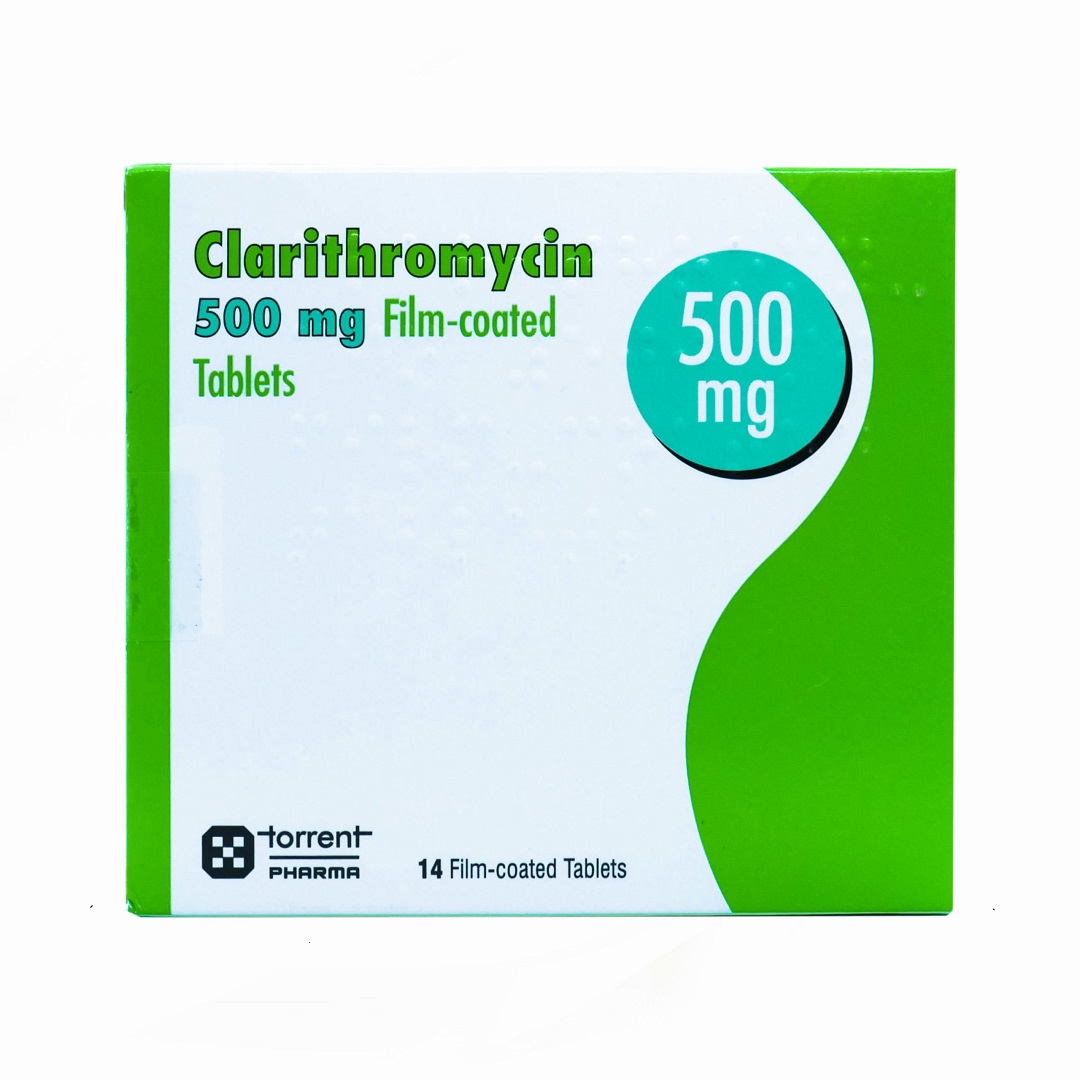
- Clarithromycin 500mg
Each tablet contains the stated amount of clarithromycin as the active antibacterial ingredient.
Other Ingredients in Clarithromycin Tablets
Inactive ingredients, also known as excipients, can vary between manufacturers.
Depending on the product supplied, Clarithromycin tablets may contain ingredients such as:
- Microcrystalline cellulose
- Croscarmellose sodium
- Povidone
- Magnesium stearate
- Colloidal anhydrous silica
- Hypromellose
- Hydroxypropyl cellulose
- Propylene glycol
- Titanium dioxide
- Talc
- Colouring or coating agents
These ingredients help form, stabilise and coat the tablet but do not provide the antibiotic effect.
Ingredients in Clarithromycin Oral Suspension
Liquid Clarithromycin formulations contain a different combination of inactive ingredients.
Depending on the manufacturer, these may include:
- Sucrose
- Aspartame
- Sodium benzoate
- Xanthan gum
- Sodium citrate
- Flavourings
- Maltodextrin
- Propylene glycol
- Other stabilising and suspending agents
Because oral suspensions may contain sugars, sweeteners or sodium-containing ingredients, it is particularly important to check the patient information leaflet if you have an intolerance, allergy or specific dietary requirement.
Do All Clarithromycin Products Have the Same Ingredients?
No. Clarithromycin is available from several manufacturers and in different formulations, including:
- Standard tablets
- Modified-release tablets
- Oral suspension
Products containing the same strength of Clarithromycin can therefore contain different inactive ingredients.
Important Allergy and Intolerance Information
Before taking Clarithromycin, tell your healthcare professional if you:
- Are allergic to clarithromycin
- Have previously reacted to another macrolide antibiotic
- Are allergic to any of the ingredients in the product supplied
- Have an intolerance to certain sugars
- Have phenylketonuria and have been supplied a formulation containing aspartame
Always check the patient information leaflet supplied with your exact medicine for the complete ingredient list.
Check Your Specific Product
If you have an allergy, sensitivity or dietary restriction, speak to your pharmacist before starting treatment. They can check the ingredients in the exact Clarithromycin brand or formulation you have been supplied.
For professional advice about Clarithromycin ingredients, macrolide antibiotics or bacterial infection treatment, speak to a qualified healthcare professional at Chesterfield Delivery Pharmacy.
Warnings
Clarithromycin is a macrolide antibiotic used to treat certain bacterial infections. It can interact with several medicines and may not be suitable for people with particular medical conditions.
Always tell your doctor, pharmacist or other healthcare professional about your medical history and every medicine, supplement or herbal product you are taking before starting treatment.
Heart Rhythm Problems
Clarithromycin can affect the electrical activity of the heart and may increase the risk of an abnormal heart rhythm.
Tell your healthcare professional if you:
- Have a history of an irregular heartbeat
- Have been diagnosed with a prolonged QT interval
- Have previously experienced ventricular arrhythmias
- Have significant heart disease
- Have a very slow heart rate
- Have low potassium or magnesium levels
- Take other medicines that can affect heart rhythm
Clarithromycin should not be used in people with a known history of QT prolongation or certain ventricular heart rhythm disorders.
Liver Problems
Clarithromycin is mainly processed by the liver, so extra caution may be needed if you have liver disease.
Stop taking the medicine and seek medical advice if you develop symptoms that could indicate a liver problem, such as:
- Yellowing of the skin or whites of the eyes
- Dark urine
- Loss of appetite
- Persistent itching
- Unusual abdominal tenderness
Rare cases of serious liver injury have been reported during Clarithromycin treatment.
Kidney Problems
Tell your prescriber if you have kidney disease or reduced kidney function.
The Clarithromycin dose may need to be adjusted in people with moderate or severe kidney impairment.
Clarithromycin should not be used in people who have severe liver failure together with kidney impairment.
Medicines That Can Interact With Clarithromycin
Clarithromycin can significantly alter the levels of certain medicines in the body.
Important interactions include:
- Simvastatin and lovastatin
- Warfarin and other anticoagulants
- Dabigatran, rivaroxaban, apixaban and edoxaban
- Colchicine
- Digoxin
- Certain medicines for abnormal heart rhythms
- Some medicines used to treat HIV
- Oral midazolam and certain other sedatives
- Ergotamine and dihydroergotamine
- Some medicines used to lower blood sugar
- Certain epilepsy medicines
This is not a complete list, so always provide your healthcare professional with an up-to-date list of your medicines.
Clarithromycin and Statins
Clarithromycin must not be taken at the same time as simvastatin or lovastatin because it can significantly increase statin levels and raise the risk of severe muscle injury, including rhabdomyolysis.
Other statins may also require additional monitoring, temporary interruption or an alternative antibiotic.
Clarithromycin and Blood Thinners
Clarithromycin can increase the effect of anticoagulant medicines.
When used with warfarin, it can increase INR and the risk of serious bleeding. Additional blood tests may therefore be required.
Caution is also necessary with direct oral anticoagulants such as apixaban, rivaroxaban, dabigatran and edoxaban.
Pregnancy
Tell your healthcare professional if you are pregnant, think you may be pregnant or are planning a pregnancy.
The safety of Clarithromycin during pregnancy has not been fully established, and UK prescribing information recommends that it should only be used after the potential benefits and risks have been carefully considered.
Breastfeeding
Clarithromycin passes into breast milk in small amounts.
If you are breastfeeding, speak to your doctor or pharmacist before taking Clarithromycin so they can decide whether treatment is appropriate for you and your baby.
Severe Allergic and Skin Reactions
Stop taking Clarithromycin and seek urgent medical attention if you develop:
- Difficulty breathing
- Swelling of the face, lips, tongue or throat
- A widespread or severe rash
- Blistering or peeling skin
- Sores affecting the mouth, eyes or genital area
- A rash accompanied by fever or swollen glands
Rare but serious skin reactions, including Stevens-Johnson syndrome, toxic epidermal necrolysis and DRESS, have been reported.
Severe or Persistent Diarrhoea
Antibiotics can occasionally cause serious inflammation of the bowel.
Speak to a healthcare professional promptly if you develop severe, persistent or bloody diarrhoea during treatment or after completing Clarithromycin.
Complete Your Prescribed Treatment
Take Clarithromycin exactly as directed and continue for the length of time prescribed unless a healthcare professional tells you to stop.
Do not:
- Change your dose yourself
- Use leftover antibiotics
- Share Clarithromycin with another person
- Use it for an infection that has not been professionally assessed
Responsible antibiotic use helps reduce unnecessary treatment and the development of antimicrobial resistance.
Important Information
Seek medical advice if your infection becomes worse, your symptoms do not improve as expected or you develop significant or unusual side effects.
Always read the patient information leaflet supplied with your exact Clarithromycin product.
For professional advice about Clarithromycin warnings, antibiotic interactions, bacterial infections or macrolide antibiotics, speak to a qualified healthcare professional at Chesterfield Delivery Pharmacy.















Reviews
There are no reviews yet.