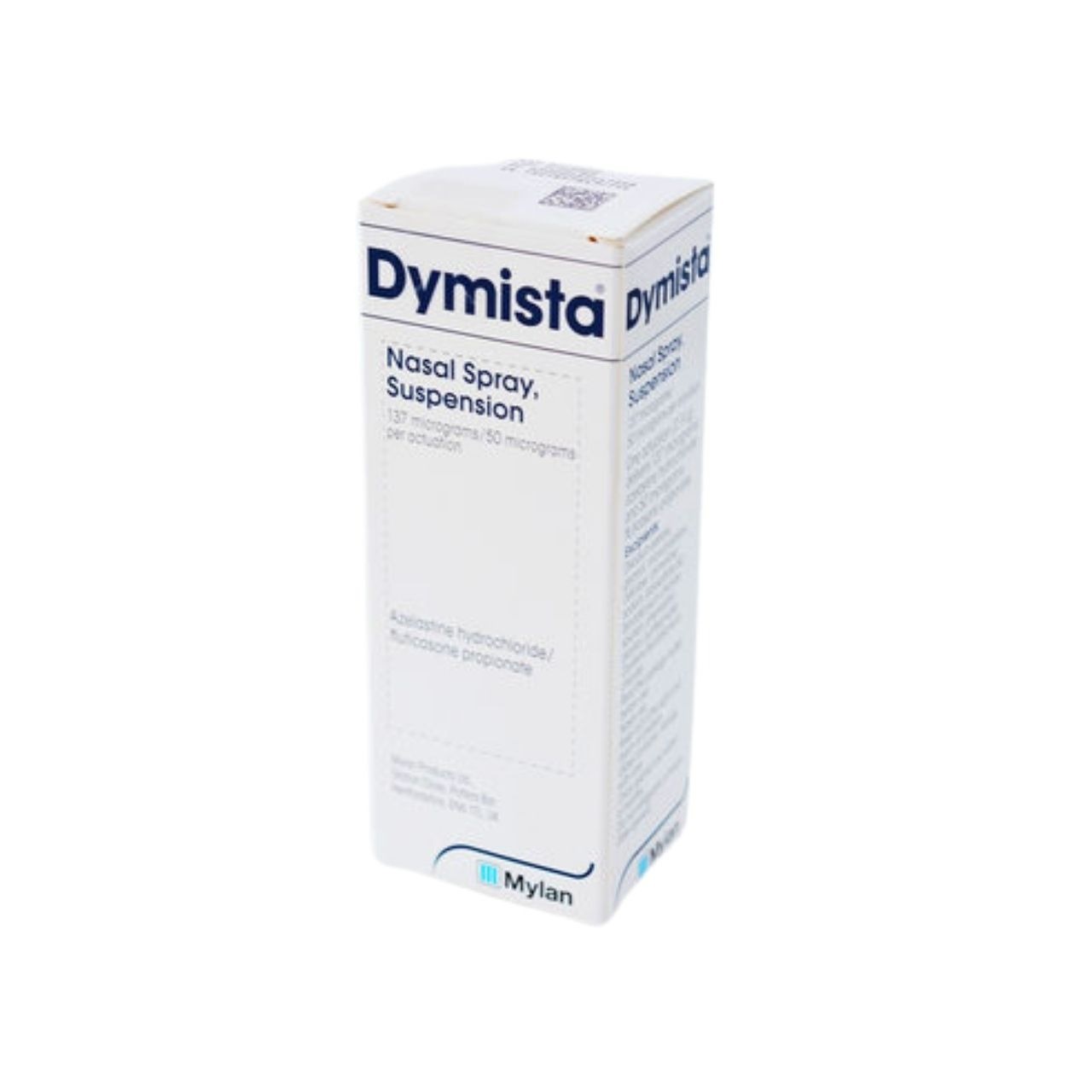
Each 23g bottle provides approximately 120 metered sprays and contains two active ingredients: azelastine, an antihistamine, and fluticasone propionate, a corticosteroid. By combining these two medicines, Dymista helps reduce common allergy symptoms such as sneezing, a blocked or runny nose, nasal itching, and itchy or watery eyes. It is designed for people who need effective relief from moderate to severe seasonal or persistent allergic rhinitis symptoms.
£20.99
Your Health &Wellness Centre
Trusted pharmacy advice, tips and guides for all your healthcare needs
Dymista Nasal Spray is a dual-action treatment used to help relieve symptoms of allergic rhinitis, including seasonal hay fever and allergies that occur throughout the year.
It contains two active ingredients: azelastine hydrochloride, an antihistamine, and fluticasone propionate, a corticosteroid. These medicines work in different ways to provide effective control of common allergy symptoms, including sneezing, a blocked or runny nose, nasal itching, and irritated or watery eyes.
How Does Dymista Nasal Spray Work?
Allergic rhinitis develops when the immune system reacts to allergens such as pollen, house dust mites, mould or animal dander. This reaction can trigger the release of histamine and other inflammatory substances, causing swelling, irritation and excess mucus within the nasal passages.
Azelastine hydrochloride works by blocking the effects of histamine, helping to reduce symptoms such as sneezing, itching and a runny nose.
Fluticasone propionate is a corticosteroid that helps reduce inflammation and swelling inside the nose, making it easier to breathe and helping relieve persistent nasal congestion.
By combining an antihistamine with a corticosteroid in one nasal spray, Dymista targets both the allergic reaction and the inflammation responsible for ongoing symptoms.
Dual-Action Allergy Relief
Dymista Nasal Spray provides broader symptom control than treatments containing only one active ingredient and may be recommended when allergy symptoms are not adequately controlled with a single type of nasal treatment.
The spray works directly within the nasal passages, targeting the area where many allergic rhinitis symptoms begin.
What Symptoms Can Dymista Help Relieve?
Dymista may help manage symptoms associated with hay fever and allergic rhinitis, including:
Sneezing
Nasal congestion
A blocked nose
A runny nose
Nasal itching
Watery or irritated eyes
Using Dymista Nasal Spray
For the best results, Dymista should be used regularly and exactly as directed by your doctor, pharmacist or the instructions supplied with the medicine.
Consistent use can help keep allergy symptoms under control, allowing you to breathe more comfortably and manage everyday activities during pollen season or when exposed to year-round allergens.
Always read the patient information leaflet before use and speak to a healthcare professional if you are unsure whether Dymista Nasal Spray is suitable for you.
Directions
How Should I Use Dymista Nasal Spray?
Always use Dymista Nasal Spray exactly as instructed by your doctor, pharmacist or the patient information leaflet supplied with the medicine. It is commonly used twice a day, once in the morning and once in the evening, unless your healthcare professional advises you differently.
How to Apply Dymista Nasal Spray
Before using the spray for the first time, shake the bottle gently and prime the pump as directed in the patient information leaflet until a fine mist is produced.
Gently blow your nose before application. Keep your head tilted slightly forwards, place the nozzle into one nostril and close the other nostril with your finger. Press the pump while breathing in gently through your nose. Repeat in the other nostril as directed.
After Using the Spray
Avoid spraying Dymista into your eyes. After each use, wipe the nozzle carefully and replace the protective cap.
For effective control of hay fever and allergic rhinitis symptoms, use Dymista regularly as directed and do not use more than the recommended amount.
If You Miss a Dose
If you forget to use Dymista, follow the advice in the patient information leaflet or speak to your pharmacist. Do not use a double dose to make up for a forgotten dose.
Always read the patient information leaflet before use and contact a healthcare professional if you are unsure how to use Dymista Nasal Spray correctly.
Ingredients
What Ingredients Are in Dymista Nasal Spray?
Dymista Nasal Spray contains two active ingredients: azelastine hydrochloride and fluticasone propionate.
Azelastine hydrochloride is an antihistamine that helps block the effects of histamine, a substance released by the body during an allergic reaction. Fluticasone propionate is a corticosteroid that helps reduce inflammation and swelling within the nasal passages. Together, these ingredients provide dual-action relief for symptoms associated with hay fever and allergic rhinitis.
Active Ingredients
Each spray contains:
Azelastine hydrochloride 137 micrograms
Fluticasone propionate 50 micrograms
Other Ingredients
Dymista Nasal Spray also contains the following inactive ingredients:
Disodium edetate
Glycerol
Microcrystalline cellulose
Carmellose sodium
Polysorbate 80
Benzalkonium chloride
Phenylethyl alcohol
Purified water
These ingredients help maintain the stability, consistency and delivery of the nasal spray.
Important Ingredient Information
Always check the patient information leaflet supplied with Dymista Nasal Spray before use, particularly if you have any known allergies or sensitivities.
If you are unsure whether any of the ingredients are suitable for you, speak to a pharmacist, doctor or other healthcare professional before using the medicine.
Warnings
Dymista Nasal Spray may not be suitable for everyone. Before starting treatment, speak to your pharmacist, GP or another healthcare professional if you have recently had an operation or injury affecting your nose, regularly experience nosebleeds, have an untreated nasal infection, or are currently using other medicines containing corticosteroids.
You should also seek medical advice before using Dymista if you have, or have previously had, conditions such as tuberculosis, glaucoma, cataracts or an ongoing infection.
Using Dymista Safely
Dymista contains fluticasone propionate, which is a corticosteroid. Using corticosteroid medicines for prolonged periods or at higher-than-recommended doses can increase the risk of unwanted effects.
Always use Dymista exactly as prescribed or as directed in the patient information leaflet. Do not use more than the recommended dose.
When to Seek Medical Advice
Contact a healthcare professional if you experience:
Frequent or persistent nosebleeds
Changes or problems with your vision
Significant pain or irritation inside the nose
Symptoms that become worse or do not improve with treatment
Seek urgent medical attention if you develop signs of a serious allergic reaction, such as swelling of the face, lips, tongue or throat, or difficulty breathing.
Pregnancy and Breastfeeding
If you are pregnant, think you may be pregnant, are planning a pregnancy or are breastfeeding, speak to your pharmacist or doctor before using Dymista Nasal Spray.
You should also discuss any existing medical conditions or medicines you are currently taking with a healthcare professional to ensure Dymista is appropriate for you.
Always read the patient information leaflet supplied with the medicine before use.
Side Effects
What Are the Side Effects of Dymista Nasal Spray?
Like all medicines, Dymista Nasal Spray can cause side effects, although not everyone will experience them. Many people use the treatment without significant problems.
Common Side Effects
Some of the more commonly reported side effects may include:
An unpleasant or bitter taste in the mouth
Nosebleeds
Irritation or discomfort inside the nose
Headache
Mild drowsiness or tiredness
These effects are often mild and may improve as your body becomes accustomed to the treatment.
Less Common Side Effects
Some people may also experience:
A dry or irritated throat
Dry mouth
Changes in the sense of smell
Nasal discomfort or soreness
When to Seek Medical Advice
Serious side effects are uncommon, but you should seek medical advice if you experience persistent or severe nosebleeds, changes in your vision, or any unusual symptoms that concern you.
Seek urgent medical attention if you develop signs of a serious allergic reaction, including:
Swelling of the face, lips, tongue or throat
Difficulty breathing or swallowing
Severe swelling or an unexpected allergic reaction
Using Dymista Safely
Always use Dymista Nasal Spray exactly as directed by your doctor, pharmacist or the patient information leaflet. Do not exceed the recommended dose.
If you experience troublesome side effects or are considering stopping treatment, speak to a healthcare professional for advice.
Always read the patient information leaflet supplied with Dymista Nasal Spray for a complete list of possible side effects and safety information.
Storage
How Should I Store Dymista Nasal Spray?
Keep Dymista Nasal Spray stored in accordance with the instructions provided on the packaging and in the patient information leaflet. Protect the medicine from excessive heat and direct sunlight, and do not freeze it.
After each use, replace the protective cap securely to help keep the nozzle clean and prevent contamination.
Important Storage Advice
Keep Dymista out of the sight and reach of children
Do not freeze the nasal spray
Keep the cap securely fitted when the spray is not in use
Do not use the medicine after the expiry date printed on the packaging
Follow any additional storage instructions provided in the patient information leaflet
If the spray appears damaged, has changed in appearance, or you are unsure whether it has been stored correctly, speak to a pharmacist before using it.
Always check the packaging and patient information leaflet for the most up-to-date storage guidance for Dymista Nasal Spray.
Reviews
There are no reviews yet.
Be the first to review “Dymista Nasal Spray” Cancel reply











Reviews
There are no reviews yet.