
Additional information
| Strength | 15MG, 30MG |
|---|---|
| Quantity | 28 CAPS |
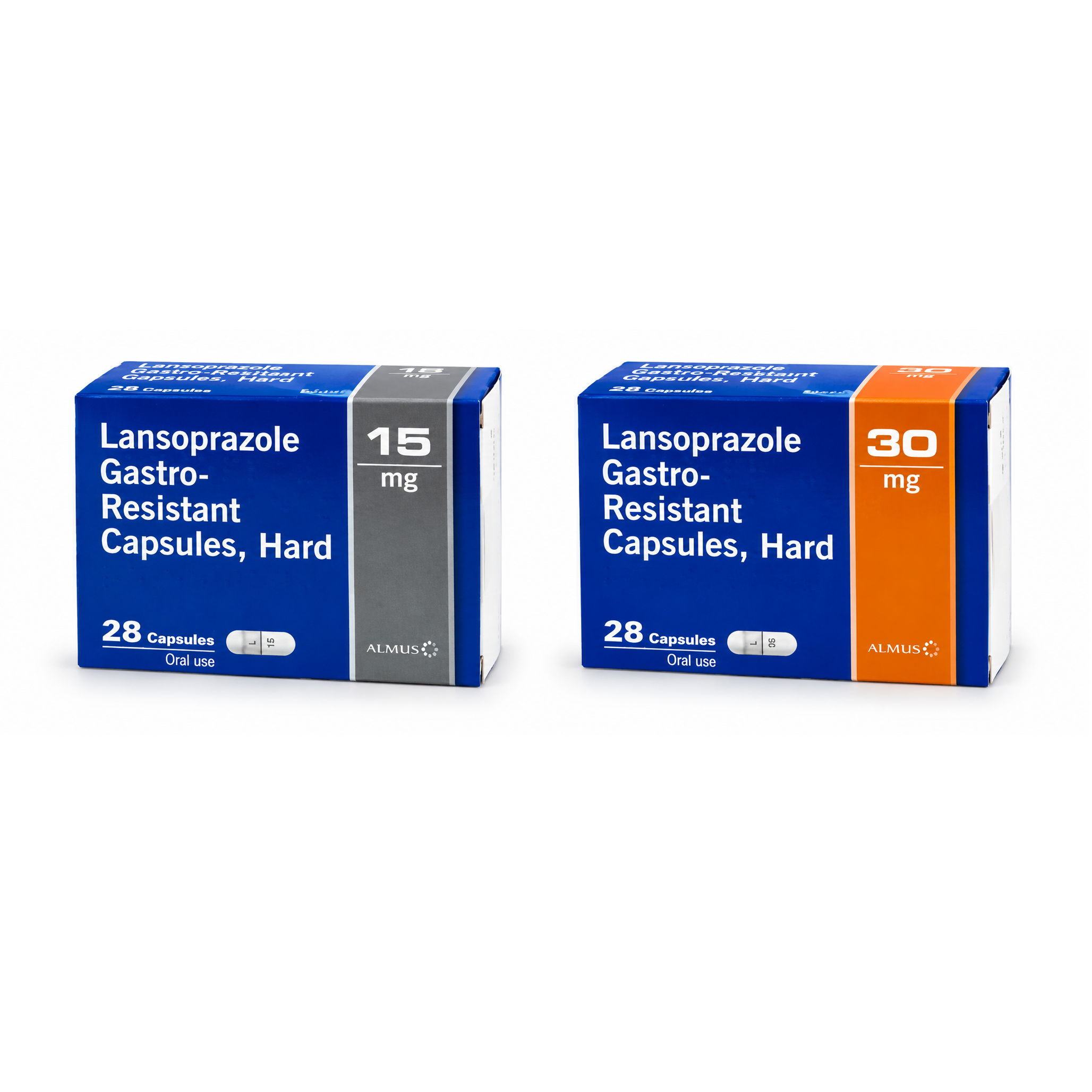
Lansoprazole is a prescription medicine used to reduce the amount of acid produced by the stomach. It belongs to a group of medicines known as proton pump inhibitors (PPIs). By lowering stomach acid levels, Lansoprazole can help relieve symptoms associated with acid-related digestive conditions, including:
It may also be prescribed for conditions such as gastro-oesophageal reflux disease (GORD), stomach or duodenal ulcers and inflammation of the oesophagus caused by stomach acid.
£14.99 – £15.99Price range: £14.99 through £15.99

Safe & compliant prescribing

UK-Registered Pharmacy

Quick, hassle-free online consultation

Your data is 100% protected

Next-day UK delivery available

NHS Providing Service since 2020
| Strength | 15MG, 30MG |
|---|---|
| Quantity | 28 CAPS |
What Is Lansoprazole?
Lansoprazole is a medicine used to reduce the amount of acid produced by the stomach. It belongs to a group of medicines called proton pump inhibitors (PPIs).
By reducing stomach acid, Lansoprazole can help manage symptoms and conditions associated with excess acid, including heartburn, acid reflux and gastro-oesophageal reflux disease (GORD).
What Is Lansoprazole Used For?
Depending on the dose and reason for treatment, Lansoprazole may be prescribed for:
A healthcare professional will determine whether Lansoprazole is suitable based on your symptoms, medical history and any other medicines you take.
How Does Lansoprazole Work?
Lansoprazole works by blocking specialised enzymes called proton pumps in the lining of the stomach.
These pumps are responsible for releasing acid into the stomach. By reducing their activity, Lansoprazole lowers stomach acid levels.
This can help:
Lansoprazole does not neutralise existing stomach acid in the same way as an antacid, so it may not provide immediate relief after the first dose.
How Quickly Does Lansoprazole Work?
Some people notice an improvement within a few days, although it may take longer for symptoms to become fully controlled.
Continue taking the medicine exactly as prescribed, even if you do not experience complete relief immediately.
When Should Lansoprazole Be Taken?
Lansoprazole is commonly taken once daily, usually in the morning.
For best absorption, it should generally be taken at least 30 minutes before food.
If you have been prescribed Lansoprazole twice daily, your healthcare professional may advise taking one dose in the morning and another in the evening, with each dose taken before food.
The exact dose and schedule will depend on the condition being treated.
Using Lansoprazole as Part of Reflux Management
Alongside appropriate medication, certain lifestyle measures may help reduce acid reflux symptoms.
These may include:
Not everyone has the same triggers, so lifestyle changes should be based on your individual symptoms.
How Long Is Lansoprazole Used For?
Treatment duration varies considerably depending on the condition.
Some people may require Lansoprazole for only a few weeks, while others may need longer-term treatment under medical supervision.
For example, treatment for ulcers or reflux oesophagitis may commonly continue for several weeks. People taking Lansoprazole long term should have their treatment reviewed periodically to make sure the medicine and dose remain appropriate.
When Should I Seek Medical Advice?
Persistent or unexplained digestive symptoms should not simply be treated indefinitely without investigation.
Speak to a healthcare professional promptly if you experience:
These symptoms may require further assessment.
Important Information
Always take Lansoprazole exactly as prescribed and do not increase the dose or continue treatment for longer than advised without professional guidance.
Tell your healthcare professional about any other medicines, supplements or herbal remedies you take, as Lansoprazole can interact with certain treatments.
For professional advice about Lansoprazole, acid reflux, heartburn, GORD, stomach ulcers or acid-related digestive conditions, speak to a qualified healthcare professional at Chesterfield Delivery Pharmacy.
How Should I Take Lansoprazole?
Always take Lansoprazole exactly as prescribed by your doctor, pharmacist or other healthcare professional. The dose and length of treatment will depend on the condition being treated and the strength of Lansoprazole supplied.
When Should I Take Lansoprazole?
Lansoprazole is usually taken once daily, preferably in the morning.
For the best absorption, take your dose at least 30 minutes before food.
If you have been prescribed Lansoprazole twice daily, this will usually mean:
Try to take Lansoprazole at approximately the same time each day.
How to Take Lansoprazole Capsules
The granules have a special coating that protects the medicine until it reaches the appropriate part of your digestive system.
What If I Have Difficulty Swallowing Capsules?
If you find capsules difficult to swallow, some Lansoprazole capsules can be opened.
Depending on the product supplied, the granules may be:
Swallow the granules without chewing or crushing them.
Always check the patient information leaflet supplied with your specific Lansoprazole product before opening a capsule.
Taking Antacids With Lansoprazole
If you also use an antacid for heartburn or indigestion, take it at least 2 hours before or after Lansoprazole.
Antacids can interfere with the way Lansoprazole works if taken too close together.
What If I Forget a Dose?
If you normally take Lansoprazole once a day:
If you normally take Lansoprazole twice a day:
Do not take a double dose to make up for a forgotten one.
How Long Should I Take Lansoprazole?
The treatment period depends on your condition.
Some people may need Lansoprazole for only a few weeks, while others require longer-term treatment under medical supervision.
Do not stop a prescribed course simply because your symptoms have improved unless your healthcare professional has advised you to do so.
Important Information
For the best results:
Persistent acid reflux, difficulty swallowing, unexplained weight loss, repeated vomiting, vomiting blood or black stools should be assessed by a healthcare professional.
For professional advice about Lansoprazole, acid reflux, heartburn, GORD or stomach ulcer treatment, speak to a qualified healthcare professional at Chesterfield Delivery Pharmacy.
What Ingredients Are in Lansoprazole?
Lansoprazole contains lansoprazole as its active ingredient. Lansoprazole belongs to a group of medicines known as proton pump inhibitors (PPIs) and works by reducing the amount of acid produced by the stomach.
Active Ingredient
Lansoprazole is commonly available in strengths such as:
The strength supplied will depend on the condition being treated and the dose recommended by your healthcare professional.
Other Ingredients
The inactive ingredients, also known as excipients, can vary depending on the manufacturer and whether you are supplied with gastro-resistant capsules or orodispersible tablets.
For example, some Lansoprazole gastro-resistant capsules may contain ingredients such as:
These ingredients help form the capsule and protect the medicine until it reaches the appropriate part of the digestive system.
Does Lansoprazole Contain Sucrose?
Many Lansoprazole gastro-resistant capsules contain sucrose as part of the coated pellets.
If you have been told by your doctor that you have an intolerance to certain sugars, check the patient information leaflet supplied with your medicine or speak to your pharmacist before taking Lansoprazole.
Different Lansoprazole Formulations
Lansoprazole is also available as an orodispersible tablet, which dissolves in the mouth.
These tablets can contain a different combination of inactive ingredients, which may include substances such as:
For this reason, the ingredient list should always be checked against the exact product supplied.
Important Allergy and Intolerance Information
Before taking Lansoprazole, tell your healthcare professional if you:
Always read the patient information leaflet supplied with your medicine for the complete and most up-to-date ingredient list.
For professional advice about Lansoprazole ingredients, acid reflux, heartburn, GORD or stomach acid treatment, speak to a qualified healthcare professional at Chesterfield Delivery Pharmacy.
Lansoprazole is a proton pump inhibitor (PPI) used to reduce stomach acid. Although suitable for many people, certain medical conditions, symptoms and medicines may require additional assessment or monitoring before treatment begins.
Always tell your doctor or pharmacist about your medical history and any prescription medicines, over-the-counter treatments or herbal remedies you are taking.
Speak to a Healthcare Professional Before Taking Lansoprazole If You Have:
People with significant liver impairment may require a lower dose or additional monitoring.
Symptoms That Need Further Investigation
Lansoprazole can reduce acid-related symptoms, but some symptoms should be medically assessed before being treated for a prolonged period.
Seek professional advice if you experience:
Acid-suppressing medicines can sometimes mask symptoms of other digestive conditions, so persistent or unusual symptoms should not be ignored.
Long-Term Use of Lansoprazole
Some people require Lansoprazole for several months or longer, but long-term treatment should be reviewed periodically.
Prolonged proton pump inhibitor treatment may be associated with:
People taking Lansoprazole for longer than one year should generally have their treatment reviewed regularly.
Low Magnesium Levels
Severely low magnesium levels have occasionally been reported in people taking proton pump inhibitors for at least three months, although this is more commonly associated with treatment lasting a year or longer.
Possible symptoms can include:
Your healthcare professional may recommend monitoring magnesium levels if you require prolonged treatment or take medicines such as digoxin or certain diuretics.
Bone Health
Long-term or high-dose PPI treatment may modestly increase the risk of fractures affecting the:
This is particularly relevant for older people or those who already have osteoporosis or other fracture risk factors.
Your healthcare professional can advise whether additional monitoring or attention to calcium and vitamin D intake is appropriate.
Medicines That Can Interact With Lansoprazole
Tell your doctor or pharmacist about all medicines you take.
Important interactions can occur with medicines including:
Lansoprazole can change the absorption or blood levels of some medicines, so additional monitoring or a change in treatment may sometimes be required.
Antacids and Sucralfate
Antacids and sucralfate can reduce the amount of Lansoprazole absorbed by the body.
Follow the timing instructions provided with your medicines. A pharmacist can advise how to separate these treatments appropriately.
Pregnancy
If you are pregnant, think you may be pregnant or are planning a pregnancy, tell your doctor or pharmacist before taking Lansoprazole.
Lansoprazole may sometimes be used during pregnancy when considered appropriate, although omeprazole is often preferred because more pregnancy safety information is available.
Do not stop prescribed treatment without discussing it with your healthcare professional.
Breastfeeding
Tell your healthcare professional if you are breastfeeding.
Lansoprazole can sometimes be used while breastfeeding, although omeprazole or pantoprazole may be preferred because more information is available about their use during breastfeeding.
Your doctor or pharmacist can help determine which treatment is most appropriate.
Skin Reactions
Very rarely, proton pump inhibitors can be associated with a condition called subacute cutaneous lupus erythematosus.
Seek medical advice if you develop a rash, particularly on areas exposed to sunlight, especially if it is accompanied by joint pain.
Severe blistering, peeling or widespread skin reactions require urgent medical attention.
Kidney Problems
Inflammation of the kidneys has rarely been reported with Lansoprazole.
Seek medical advice if you develop unexplained changes in urination, swelling, fever or other symptoms that may suggest a kidney problem.
Driving and Using Machinery
Lansoprazole may occasionally cause:
Do not drive, cycle or operate machinery if you experience symptoms that affect your ability to do so safely.
Important Information
Always take Lansoprazole exactly as directed and do not continue treatment for longer than recommended without professional review.
Persistent, worsening or unusual digestive symptoms should be medically assessed rather than repeatedly treated without investigation.
For professional advice about Lansoprazole, acid reflux, heartburn, GORD, stomach ulcers or long-term proton pump inhibitor treatment, speak to a qualified healthcare professional at Chesterfield Delivery Pharmacy.
What Are the Side Effects of Lansoprazole?
Like all medicines, Lansoprazole can cause side effects, although not everyone will experience them. Many people take Lansoprazole without significant problems, and some side effects may be mild or temporary.
Common Side Effects
Common side effects may affect up to 1 in 10 people and can include:
Benign polyps in the stomach can also occur, particularly during longer-term proton pump inhibitor treatment.
Uncommon Side Effects
Less common effects may include:
These may affect up to 1 in 100 people.
Rare Side Effects
Rare reactions may include:
A serious allergic reaction called angioedema can also occur rarely and may cause swelling of the face, tongue or throat.
Very Rare but Serious Side Effects
Very rare reactions include:
These reactions require urgent medical assessment.
Low Magnesium With Long-Term Use
Long-term treatment with Lansoprazole can occasionally cause low magnesium levels.
Possible symptoms may include:
Low magnesium can sometimes occur alongside low potassium or calcium levels.
Serious Skin Reactions
Stop taking Lansoprazole and seek urgent medical attention if you develop:
Severe skin reactions are very uncommon but require prompt treatment.
When Should I Seek Medical Advice?
Seek medical advice promptly if you experience:
Important Information
Do not stop prescribed long-term Lansoprazole treatment without speaking to your doctor or pharmacist.
Different manufacturers may provide slightly different patient information, so always read the leaflet supplied with your specific Lansoprazole product.
For professional advice about Lansoprazole side effects, acid reflux, heartburn, GORD or proton pump inhibitor treatment, speak to a qualified healthcare professional at Chesterfield Delivery Pharmacy.
How Should I Store Lansoprazole?
Lansoprazole should be stored correctly to help protect the medicine from moisture and maintain its quality throughout its shelf life.
Storage Instructions
The expiry date refers to the last day of the month shown on the pack.
Storing Lansoprazole in a Bottle
Some Lansoprazole capsules are supplied in a plastic container rather than blister packaging.
If your medicine is supplied in a bottle:
Always check the patient information leaflet supplied with your exact product, as in-use storage periods can differ between manufacturers.
Storing Lansoprazole in Blister Packs
If your Lansoprazole is supplied in blister packaging, keep each capsule in the original blister until you are ready to take it.
This helps protect the gastro-resistant medicine from moisture before use.
Do Not Use Lansoprazole If:
Do not take the medicine if:
Speak to a pharmacist if you have concerns about the condition of your medicine.
How Should I Dispose of Unused Lansoprazole?
Do not dispose of unwanted or expired Lansoprazole through household wastewater or normal household waste.
Take medicines you no longer require to a pharmacy and ask how they should be disposed of safely.
Important Information
Storage requirements can vary slightly between Lansoprazole manufacturers and formulations, so always follow the instructions printed on your packaging and in the patient information leaflet supplied with your medicine.
For professional advice about Lansoprazole storage, acid reflux, heartburn, GORD or prescription medicines, speak to a qualified healthcare professional at Chesterfield Delivery Pharmacy.





This website sells age-restricted products. Please confirm you are 18 years of age or older to continue.
Sorry, you must be 18 years or older to access this website.
Leave Site
Reviews
There are no reviews yet.