Description
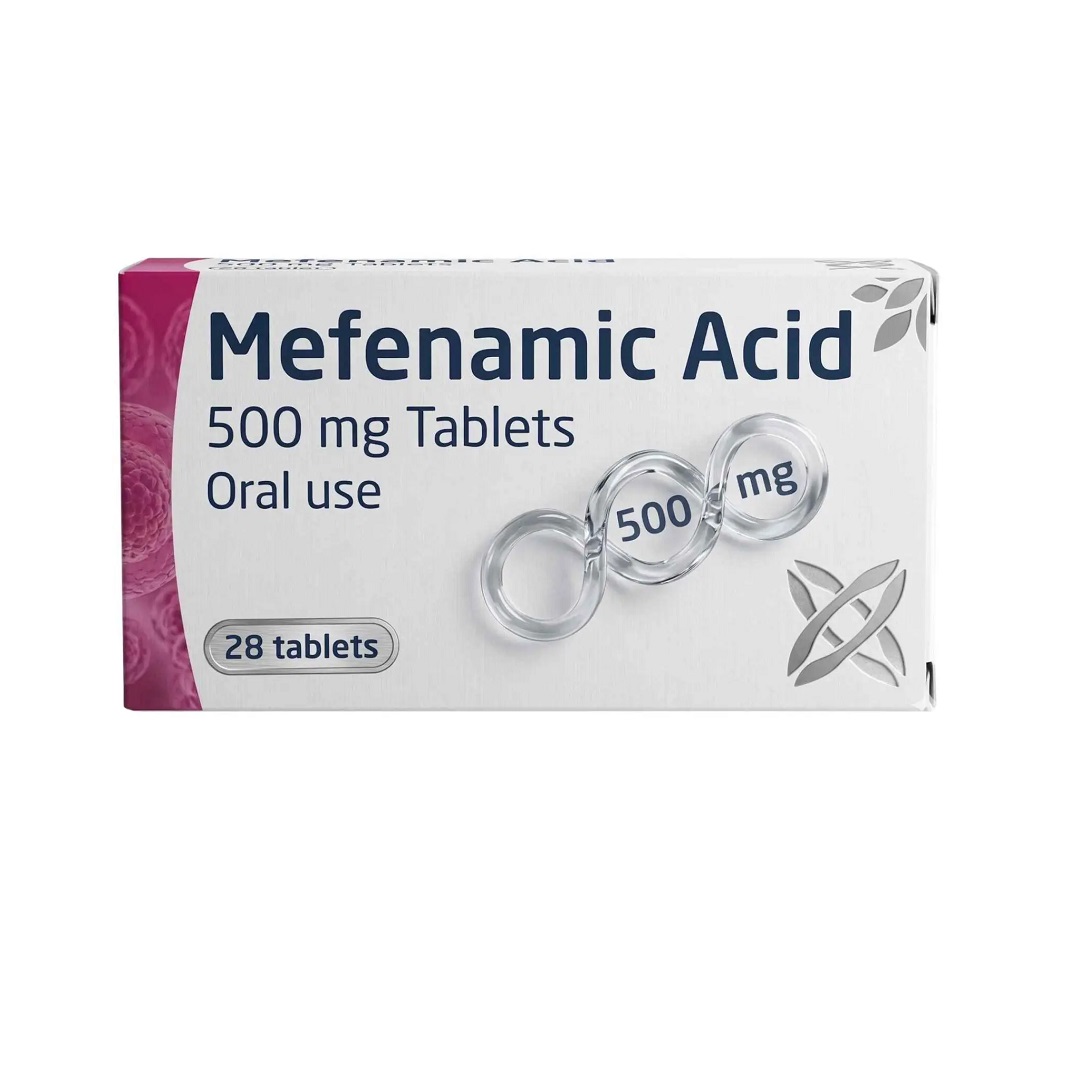
Mefenamic Acid is a non-steroidal anti-inflammatory drug (NSAID) that is widely used to manage short-term pain and inflammation. It is particularly well known for treating menstrual pain, where it helps reduce both the intensity of cramps and the overall discomfort associated with periods. It may also be used for dental pain, joint pain, and other mild to moderate inflammatory conditions.
What makes Mefenamic Acid especially useful is its ability to target both pain and inflammation at the same time. This dual action makes it more effective than simple painkillers in situations where swelling or internal inflammation is contributing to discomfort. For many people, this means faster relief and better overall symptom control.
Pain caused by inflammation can often feel persistent and disruptive, affecting your ability to focus, work, or carry out everyday activities. Mefenamic Acid is designed to address this by reducing the chemical signals in the body that trigger pain and swelling. This makes it particularly beneficial for cyclical pain, such as period pain, where symptoms can be predictable but intense.
When taken at the onset of symptoms, it can help prevent pain from escalating, allowing you to stay more comfortable throughout the day. Its effectiveness has made it a commonly recommended option for individuals who need more targeted relief than standard over-the-counter painkillers can provide.
Mefenamic Acid is often recommended when pain is linked to inflammation rather than injury alone. This includes conditions such as dysmenorrhoea, where prostaglandins play a key role in causing uterine contractions and discomfort. By addressing this underlying mechanism, it can significantly reduce both pain severity and duration.
It may also be considered for short-term use in other situations where inflammation contributes to discomfort, such as after minor procedures or for musculoskeletal pain. However, it is typically used for limited periods rather than long-term management, ensuring safe and effective use.
For those looking for dependable, targeted pain relief, Mefenamic Acid offers a practical and effective solution. Its ability to work quickly and address the root cause of inflammation makes it a valuable option when managing more intense or recurring pain. When used as directed, it can help restore comfort, improve daily function, and make ongoing symptoms much easier to manage.
Directions
How should I take Mefenamic Acid?
Mefenamic Acid should be taken exactly as directed by your healthcare professional or according to the instructions in the patient information leaflet. It is usually taken three times a day with food to help reduce stomach irritation, unless advised otherwise. Swallow the capsules or tablets whole with a glass of water and do not exceed the recommended dose.
It is best to start taking Mefenamic Acid at the first sign of pain, particularly for period pain, to achieve the most effective relief. If you miss a dose, take it as soon as you remember, but do not double up to make up for a missed dose. Always use it for the shortest duration necessary to control your symptoms.
Ingredients
What ingredients are in Mefenamic Acid?
Mefenamic Acid contains the active ingredient mefenamic acid, a non-steroidal anti-inflammatory drug (NSAID) used to relieve pain and inflammation.
In addition to the active ingredient, it may also contain inactive ingredients that help form and stabilise the medication. These can vary depending on the brand but may include lactose, magnesium stearate, silica, and other standard tablet or capsule components.
Always check the patient information leaflet supplied with your medication for a full and accurate list of ingredients, especially if you have allergies or sensitivities. If you are unsure, speak to your pharmacist before taking Mefenamic Acid.
Warnings
Warnings and precautions
Mefenamic Acid may not be suitable for everyone. Speak to a healthcare professional before using it if you have a history of stomach ulcers, gastrointestinal bleeding, asthma triggered by NSAIDs, or heart, kidney, or liver problems. Caution is also advised if you are taking other anti-inflammatory medicines, blood thinners, or certain blood pressure medications.
Because Mefenamic Acid is an NSAID, prolonged or excessive use may increase the risk of stomach irritation, ulcers, or cardiovascular side effects. Always use the lowest effective dose for the shortest duration possible. If you experience severe stomach pain, black stools, chest pain, or signs of an allergic reaction such as swelling or difficulty breathing, seek medical advice immediately.
If you are pregnant, breastfeeding, or trying to conceive, consult your pharmacist or GP before starting treatment, as Mefenamic Acid may not be suitable in certain stages of pregnancy.
Side Effects
What are the side effects of Mefenamic Acid?
Mefenamic Acid may cause side effects, although many people use it without significant problems. Common side effects can include stomach pain, nausea, diarrhoea, indigestion, or headache, particularly when first starting treatment. Taking it with food can help reduce stomach-related discomfort.
Less commonly, some people may experience dizziness, vomiting, or skin rash. Rare but more serious side effects can include stomach ulcers, gastrointestinal bleeding, or severe allergic reactions. If you notice symptoms such as persistent stomach pain, vomiting blood, black stools, swelling of the face or throat, or difficulty breathing, seek medical attention immediately.
Always use Mefenamic Acid as directed and consult a healthcare professional if you have any concerns about side effects or ongoing symptoms.
Storage
How should I store Mefenamic Acid?
Store Mefenamic Acid below 25°C in a cool, dry place, away from direct heat and sunlight. Keep the medication in its original packaging to protect it from moisture and ensure it remains effective.
Keep out of sight and reach of children and do not use after the expiry date shown on the packaging. If you have any unused or expired medication, ask your pharmacist how to dispose of it safely.







Reviews
There are no reviews yet.