Description
What Is Testosterone Gel?
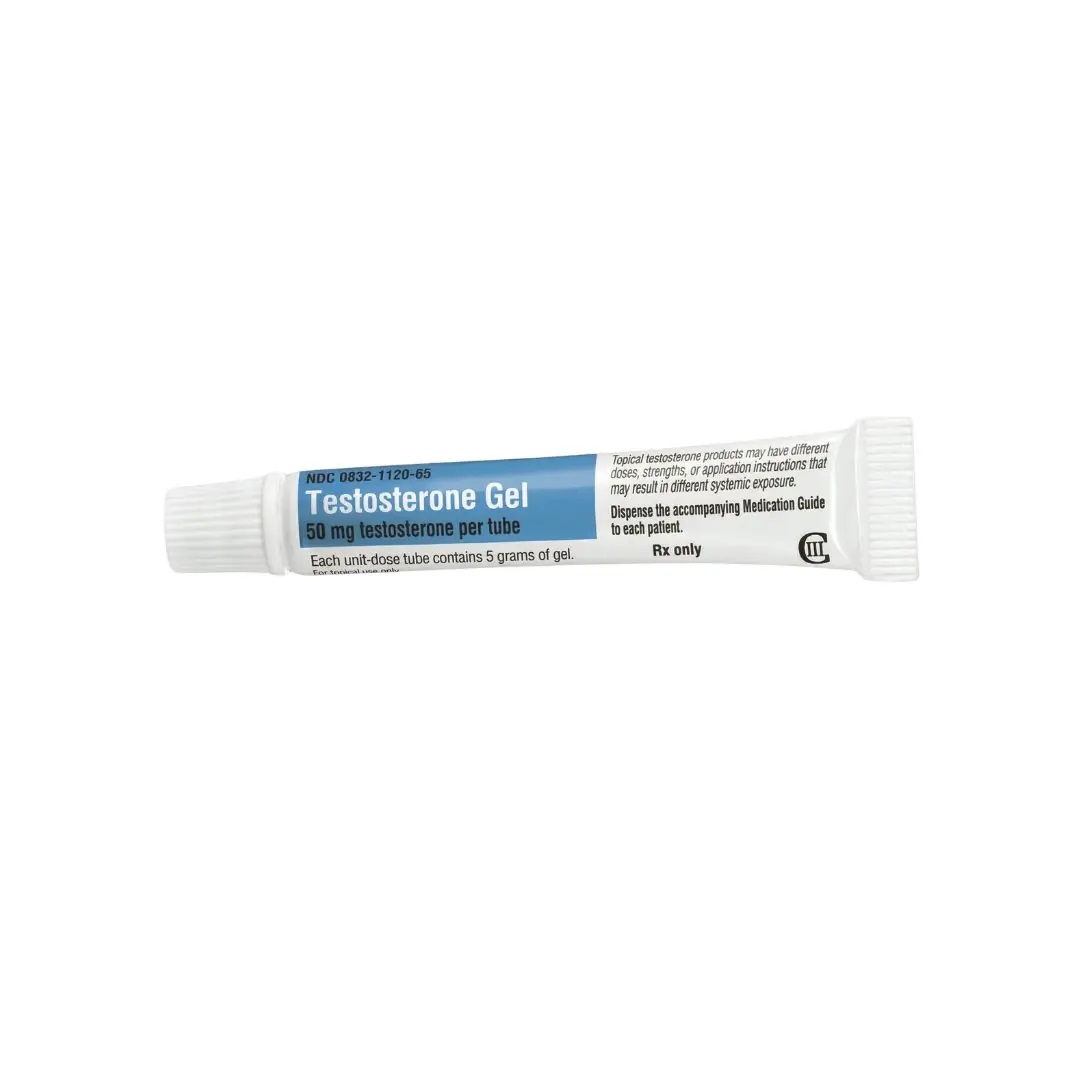
Testosterone Gel is a prescription testosterone replacement therapy used for adult men who have a clinically confirmed testosterone deficiency, also known as male hypogonadism.
The gel contains testosterone that is absorbed through the skin and gradually enters the bloodstream. Treatment aims to restore testosterone levels to an appropriate physiological range when a deficiency has been confirmed through symptoms, medical assessment and blood testing.
What Is Testosterone Gel Used For?
Low testosterone can be associated with a range of symptoms, including:
- Reduced sex drive
- Persistent tiredness or low energy
- Erectile difficulties
- Changes in mood or motivation
- Reduced muscle mass or strength
- Changes in body composition
- Reduced general wellbeing
These symptoms can have many different causes. Testosterone replacement therapy should therefore only be started after other possible causes have been considered and low testosterone has been appropriately confirmed.
How Does Testosterone Gel Work?
Testosterone Gel is applied to clean, dry, healthy skin in the areas specified for the particular product prescribed.
The testosterone passes through the skin and into the bloodstream, providing replacement testosterone for men whose bodies are not producing sufficient levels naturally.
Regular application according to your prescribed treatment plan helps maintain appropriate testosterone levels.
A Needle-Free Testosterone Replacement Option
Testosterone Gel provides a non-injectable option for men who require testosterone replacement therapy.
Many testosterone gel products are applied once daily, making treatment relatively straightforward to incorporate into an everyday routine.
However, testosterone gels are available in different strengths and formulations, and the correct dose and application area can vary between products. Always follow the instructions supplied with the specific medicine prescribed to you.
Assessment Before Starting Testosterone Gel
Testosterone treatment should only be prescribed following an appropriate medical assessment.
Your healthcare professional may review:
- Symptoms associated with testosterone deficiency
- Testosterone blood test results
- Medical history
- Current medicines
- Blood pressure
- Haemoglobin and haematocrit
- Prostate health and PSA where appropriate
- Cardiovascular risk factors
- Other relevant laboratory results
UK product information advises that testosterone deficiency should be supported by clinical symptoms and confirmed by two separate testosterone blood measurements.
Regular Monitoring During Treatment
Ongoing monitoring is an important part of testosterone replacement therapy.
Your healthcare professional may regularly assess:
- Testosterone blood levels
- Treatment response
- Haemoglobin and haematocrit
- Blood pressure
- Prostate health
- Possible side effects
Your dose may be adjusted depending on your blood test results and clinical response.
Preventing Accidental Testosterone Transfer
Testosterone Gel can transfer from treated skin to another person through close skin-to-skin contact.
Particular care is required around women and children because repeated accidental exposure to testosterone can cause unwanted hormonal effects.
Depending on the specific gel prescribed, precautions may include:
- Washing your hands thoroughly after applying the gel
- Allowing the gel to dry before dressing
- Covering the treated area with clothing once dry
- Avoiding direct skin contact between the treated area and another person
- Washing the application site before close physical contact when instructed
Always follow the transfer-prevention instructions supplied with your particular testosterone gel.
Who May Need Extra Caution?
Tell your healthcare professional before starting Testosterone Gel if you have or have previously experienced:
- Prostate problems
- Male breast cancer
- Heart or circulatory disease
- High blood pressure
- Kidney or liver problems
- Raised red blood cell levels
- Blood-clotting problems
- Sleep apnoea
- Fertility concerns
- Other significant medical conditions
Testosterone Gel is contraindicated in men with known or suspected prostate cancer or male breast cancer.
Testosterone Gel and Fertility
Testosterone replacement therapy can suppress sperm production and may affect male fertility.
If you are planning to have children now or in the future, discuss this with your healthcare professional before beginning testosterone treatment.
Important Information
Testosterone Gel is a prescription-only treatment.
Always:
- Use the exact amount prescribed
- Follow the application instructions for your specific product
- Attend recommended blood tests and reviews
- Prevent treated skin from coming into contact with other people
- Speak to your prescriber before changing or stopping treatment
Do not use testosterone for bodybuilding, increasing athletic performance or without a medically confirmed need for testosterone replacement therapy.
Testosterone Gel from Chesterfield Delivery Pharmacy
Where clinically appropriate, Chesterfield Delivery Pharmacy may provide access to Testosterone Gel following a professional consultation, appropriate blood testing and prescription.
Ongoing clinical monitoring helps ensure testosterone replacement therapy remains suitable for your individual health needs.
Directions
How Should I Use Testosterone Gel?
Testosterone Gel should be applied exactly as prescribed by your doctor or healthcare professional. Most testosterone gel products are used once daily, usually at approximately the same time each day, but the exact dose and application instructions depend on the specific product you have been prescribed.
Always read the patient information leaflet supplied with your Testosterone Gel before use.
How to Apply Testosterone Gel
Apply the prescribed amount of gel to clean, dry and healthy skin in the area specified for your particular product.
Depending on the brand, approved application areas may include the shoulders, upper arms or other specified areas of the body.
When applying Testosterone Gel:
- Use only the amount prescribed by your healthcare professional
- Spread the gel gently over the recommended application area
- Allow the gel to dry completely before putting on clothing
- Wash your hands thoroughly with soap and water after application
- Cover the treated area with clothing once the gel has dried
- Do not apply the gel to broken, irritated or damaged skin
- Do not apply it to the genital area unless your specific product instructions state otherwise
Use Testosterone Gel at the Same Time Each Day
Using Testosterone Gel consistently according to your prescribed schedule helps maintain appropriate testosterone levels.
Many products are applied once daily, often in the morning. However, always follow the instructions for the specific Testosterone Gel supplied to you.
Do not apply extra gel if you feel your treatment is not working as expected. Speak to your prescriber before making any changes to your dose.
Preventing Testosterone Transfer to Other People
Testosterone can transfer from treated skin to another person through direct skin-to-skin contact.
To reduce this risk:
- Wash your hands after applying the gel
- Allow the application area to dry fully
- Cover the treated skin with clean clothing
- Avoid direct contact between the application area and another person’s skin
- Follow the washing or showering instructions supplied with your particular product
Extra care should be taken to prevent accidental exposure to women and children.
If another person accidentally comes into contact with the treated skin, they should wash the affected area thoroughly with soap and water as soon as possible.
Can I Shower After Applying Testosterone Gel?
The amount of time you should wait before showering, bathing or swimming depends on the specific Testosterone Gel prescribed.
For some products, you may need to wait at least one hour after application, while other brands may have different instructions.
Always follow the patient information leaflet supplied with your medicine.
Monitoring During Testosterone Gel Treatment
Regular blood tests and clinical reviews are an important part of testosterone replacement therapy.
Your healthcare professional may monitor:
- Testosterone blood levels
- Haemoglobin and haematocrit
- Blood pressure
- Prostate health and PSA where appropriate
- Treatment response
- Possible side effects
Your dose may be adjusted depending on your testosterone levels and response to treatment.
When Should I Contact My Healthcare Professional?
Speak to your doctor or prescriber if:
- You are unsure how or where to apply the gel
- You miss a dose
- You experience persistent skin irritation
- You notice unusual or troublesome side effects
- You believe the treatment is not working as expected
- Another person has repeated accidental exposure to the gel
Do not change your dose or stop Testosterone Gel without speaking to your healthcare professional.
Always follow the instructions supplied with your specific Testosterone Gel, as application sites, doses and washing requirements can vary between products.
Ingredients
What Ingredients Are in Testosterone Gel?
Testosterone Gel contains testosterone as its active ingredient. Testosterone is an androgen hormone used as part of testosterone replacement therapy for adult men with clinically confirmed testosterone deficiency.
Active Ingredient
The active medicinal ingredient is:
The exact amount of testosterone contained in each sachet, pump dose or measured application will depend on the specific brand and strength prescribed.
Other Ingredients
Testosterone Gel also contains inactive ingredients that help create the gel base, maintain the stability of the medicine and allow testosterone to be applied and absorbed through the skin.
Depending on the particular product or manufacturer, these ingredients may include:
- Carbomer
- Ethanol
- Purified water
- Other stabilising or gel-forming ingredients
These substances are not active testosterone ingredients and the exact formulation can vary between different testosterone gel products.
Why Can Testosterone Gel Ingredients Differ?
Several testosterone gel brands and strengths are available, and each may use a slightly different formulation.
For this reason, always check the patient information leaflet supplied with your specific Testosterone Gel for the complete and accurate list of ingredients.
Important Allergy Information
Do not use Testosterone Gel if you are allergic to testosterone or any of the other ingredients contained in your prescribed product.
If you have known allergies or sensitivities to medicines, alcohol-based products, skin preparations or other ingredients, discuss these with your doctor, pharmacist or prescriber before starting treatment.
Check Your Specific Testosterone Gel
Always follow the information supplied with the exact Testosterone Gel prescribed to you, as the strength, ingredients and application instructions can differ between brands.
If you are unsure about any ingredient or whether the treatment is suitable for you, speak to your pharmacist, doctor or healthcare professional before use.
Warnings
Warnings and Precautions for Testosterone Gel
Testosterone Gel is a prescription testosterone replacement treatment and should only be used after an appropriate medical assessment.
Before starting treatment, tell your doctor or prescriber about your full medical history, any existing health conditions and all prescription medicines, over-the-counter treatments or supplements you currently use.
Who Should Not Use Testosterone Gel?
Testosterone Gel should not be used if you have:
- Known or suspected prostate cancer
- Known or suspected male breast cancer
- An allergy to testosterone or any other ingredient in your prescribed gel
Your healthcare professional will assess your suitability before starting testosterone replacement therapy.
Conditions Requiring Extra Caution
Speak to your healthcare professional before using Testosterone Gel if you have or have previously experienced:
- Heart or circulatory problems
- High blood pressure
- Kidney or liver problems
- Raised red blood cell levels
- Blood-clotting disorders or an increased risk of blood clots
- Sleep apnoea
- Epilepsy or migraine
- Prostate enlargement or urinary problems
- Diabetes
- Fluid retention or swelling
Additional monitoring may be required depending on your individual health circumstances.
Regular Blood Tests and Monitoring
Ongoing monitoring is an important part of testosterone replacement therapy.
Your healthcare professional may regularly check:
- Testosterone blood levels
- Haemoglobin and haematocrit
- Red blood cell count
- Blood pressure
- Prostate health and PSA where appropriate
- Liver function
- Cholesterol and other blood lipids
- Your overall response to treatment
Your dose may be adjusted according to your blood test results and clinical response.
Preventing Accidental Testosterone Transfer
Testosterone Gel can transfer from treated skin to another person through direct physical contact.
Repeated accidental exposure may cause unwanted hormonal effects, particularly in women and children.
To reduce the risk of transfer:
- Wash your hands thoroughly after applying the gel
- Allow the gel to dry before dressing
- Cover the treated area with clean clothing once dry
- Avoid direct skin-to-skin contact with the application area
- Follow the washing or showering instructions supplied with your specific product
If another person accidentally touches an application area, they should wash the affected skin thoroughly with soap and water as soon as possible.
Do Not Change Your Dose Yourself
Always use Testosterone Gel exactly as prescribed.
Do not:
- Apply more gel than recommended
- Increase the frequency of application
- Change your treatment schedule without medical advice
- Stop treatment suddenly without speaking to your prescriber
Using too much testosterone can increase the risk of unwanted effects and may cause testosterone levels to rise above the intended range.
When Should I Seek Medical Advice?
Contact your healthcare professional if you develop new, persistent or concerning symptoms during treatment.
Seek urgent medical attention if you experience:
- Severe chest pain
- Sudden or significant difficulty breathing
- Pain, redness or swelling in one leg
- Fainting or severe dizziness
- Signs of a serious allergic reaction
You should also speak to your prescriber if you notice significant mood changes, worsening urinary symptoms, persistent swelling or troublesome skin reactions.
Important Information
Always attend your recommended blood tests and follow-up appointments while using Testosterone Gel.
Different testosterone gel products may have different strengths, application areas and safety instructions, so always follow the patient information leaflet supplied with your specific medicine.
For further advice about testosterone replacement therapy, speak to a qualified healthcare professional at Chesterfield Delivery Pharmacy.
Side Effects
What Are the Side Effects of Testosterone Gel?
Like all prescription medicines, Testosterone Gel can cause side effects, although not everyone will experience them.
The type and severity of side effects can vary between individuals and may also depend on the specific testosterone gel, dose and length of treatment.
Skin and Application Site Reactions
Because Testosterone Gel is applied directly to the skin, some people may experience reactions at or around the application area.
Possible effects include:
- Skin redness or irritation
- Dry or itchy skin
- Application-site discomfort
- Rash
- Acne
- Oily skin
If you develop persistent or severe skin irritation, speak to your doctor or prescriber.
Changes in Red Blood Cell Levels
Testosterone replacement therapy can increase haemoglobin, haematocrit and red blood cell levels.
Regular blood tests may therefore be required during treatment to identify polycythaemia, where the concentration of red blood cells becomes too high.
Other Possible Side Effects
Other effects associated with testosterone treatment may include:
- Headache or dizziness
- Changes in mood
- Changes in sex drive
- Increased blood pressure
- Fluid retention or swelling
- Weight gain
- Breast tenderness or enlargement
- Changes in cholesterol or other blood lipids
- Changes in prostate or urinary symptoms
- Increased or persistent erections
- Changes in sperm production and fertility
Speak to your healthcare professional if any of these symptoms become persistent, troublesome or concerning.
Blood Clots
Blood clots, including deep vein thrombosis and pulmonary embolism, have been reported during testosterone treatment, particularly in people with risk factors for venous thromboembolism.
Seek urgent medical attention if you experience:
- Pain, redness, warmth or swelling in one leg
- Sudden shortness of breath
- Unexplained or severe chest pain
- Coughing up blood
- Sudden dizziness or fainting
These symptoms require prompt medical assessment.
Fluid Retention and Swelling
Testosterone treatment can cause fluid retention and oedema, particularly when used at higher doses or for prolonged periods.
Speak to your healthcare professional promptly if you develop significant swelling of the ankles or legs, rapid unexplained weight gain or worsening breathlessness.
Mood and Psychological Changes
Some testosterone preparations have been associated with changes such as irritability, anxiety, low mood, nervousness or other changes in emotional wellbeing.
If you or someone close to you notices significant or persistent changes in your mood or behaviour, contact your healthcare professional for advice.
When Should I Seek Medical Advice?
Contact your doctor or prescriber if you experience any new, persistent or troublesome side effects while using Testosterone Gel.
Seek urgent medical attention if you develop:
- Severe chest pain
- Sudden difficulty breathing
- Signs of a blood clot
- Severe swelling
- Fainting
- Signs of a serious allergic reaction
Important Information
Do not increase, reduce or stop your Testosterone Gel without speaking to your prescriber.
Regular blood tests and treatment reviews are an important part of testosterone replacement therapy and may include monitoring testosterone levels, haemoglobin, haematocrit, blood pressure, blood lipids and prostate health where appropriate.
Always read the patient information leaflet supplied with your specific Testosterone Gel, as side effects and safety information can vary between brands and formulations.
Storage
How Should I Store Testosterone Gel?
Testosterone Gel should be stored according to the instructions provided with the specific brand and formulation prescribed to you.
Storage requirements can vary between testosterone gel products. For example, some UK testosterone gels do not require any special storage conditions, while others should be stored below 25°C and must not be refrigerated or frozen.
Important Storage Advice
- Keep Testosterone Gel out of the sight and reach of children
- Keep the medicine in its original packaging or container
- Follow the temperature instructions stated on the product label
- Do not use the gel after the expiry date shown on the packaging
- Keep the container securely closed when not in use
- If using a pump container, follow any instructions regarding upright storage after opening
- Do not use the product if the packaging or container appears damaged
Check Your Specific Testosterone Gel
Different testosterone gel brands may have different storage requirements.
For example, Testogel does not require special storage conditions, whereas Tostran should be stored below 25°C, must not be refrigerated or frozen, and should be kept upright once opened.
Always follow the patient information leaflet supplied with your specific medicine rather than using general storage advice.
How Should Unused Testosterone Gel Be Disposed Of?
Do not dispose of unused or expired Testosterone Gel through household wastewater.
Ask your pharmacist how to dispose of medicines you no longer need safely.
Keep used sachets, containers or pumps away from children and other people, as they may still contain small amounts of testosterone.
When Should I Speak to a Pharmacist?
Speak to your pharmacist or prescriber if:
- You are unsure how your particular Testosterone Gel should be stored
- The medicine has been exposed to unusual temperatures
- The container or sachet has been damaged
- The gel looks different from normal
- You are unsure whether the product is still safe to use
Always check the patient information leaflet supplied with your Testosterone Gel for the most accurate storage and disposal instructions.











Reviews
There are no reviews yet.