Description
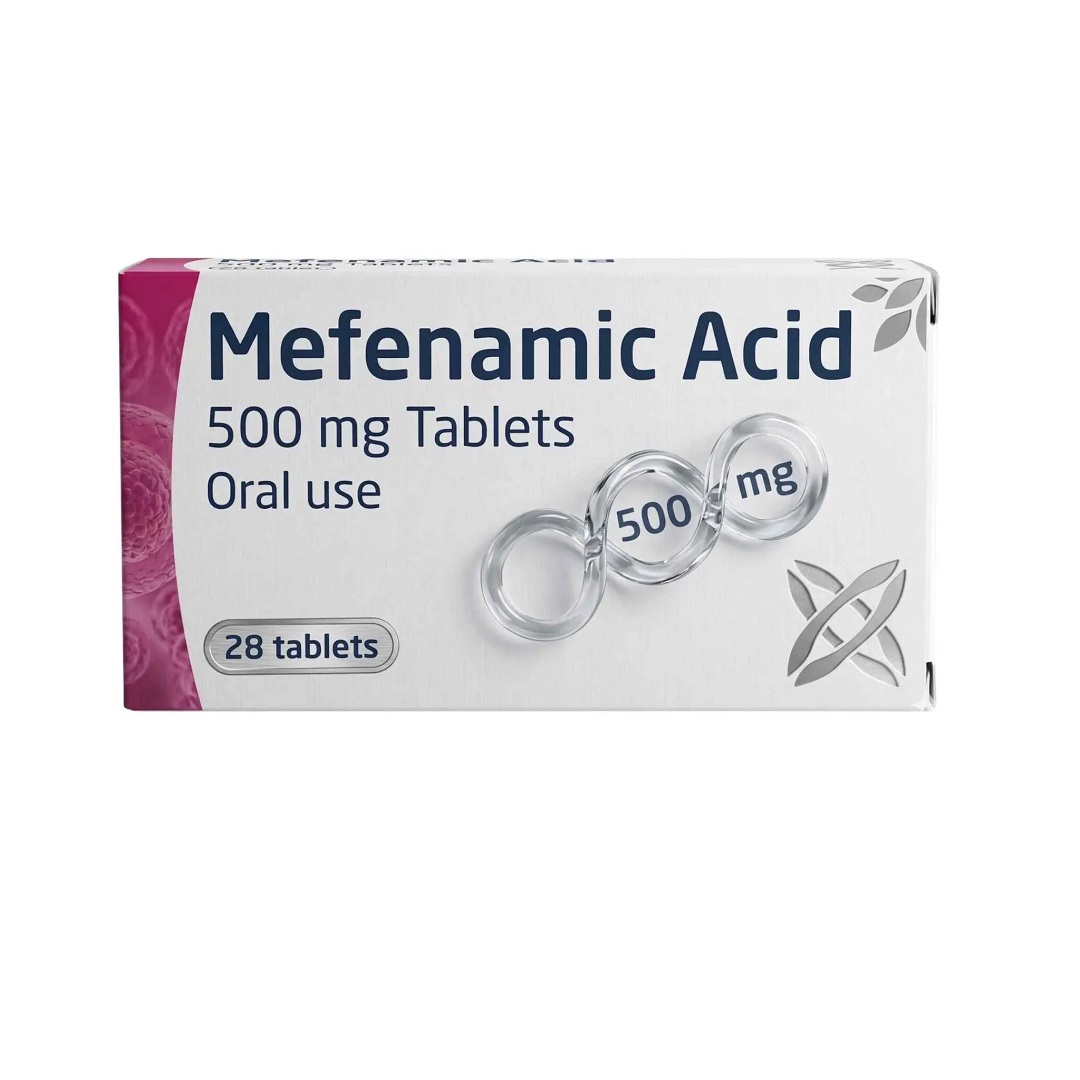
Mefenamic Acid for Pain and Inflammation Relief
Mefenamic Acid is a prescription-only non-steroidal anti-inflammatory drug (NSAID) used to relieve short-term pain and inflammation. It is particularly well known for the treatment of period pain and menstrual cramps, but it may also be prescribed for other painful or inflammatory conditions where appropriate.
The medicine works by reducing the production of substances called prostaglandins, which contribute to pain, swelling and inflammation. By lowering prostaglandin activity, Mefenamic Acid can help reduce discomfort and make symptoms easier to manage.
What Is Mefenamic Acid Used For?
Mefenamic Acid may be prescribed for conditions such as:
- Period pain and menstrual cramps
- Dental pain
- Muscular aches and pains
- Joint discomfort
- Short-term inflammatory pain
- Pain following certain minor procedures, where clinically appropriate
It is generally intended for short-term use rather than long-term pain management.
Mefenamic Acid for Period Pain
Mefenamic Acid is commonly prescribed for dysmenorrhoea, or painful periods.
During menstruation, the body produces prostaglandins that can trigger stronger contractions of the uterus and contribute to cramping and discomfort. Mefenamic Acid reduces prostaglandin production, helping to ease menstrual pain.
For some people, starting treatment when symptoms begin can help control discomfort more effectively. Always follow the dose and timing recommended by your prescriber.
How Does Mefenamic Acid Work?
Mefenamic Acid belongs to the NSAID group of medicines.
It works by blocking enzymes involved in the production of prostaglandins. These natural chemicals are involved in:
- Pain
- Inflammation
- Swelling
- Menstrual cramping
Reducing prostaglandin levels can therefore help relieve both pain and inflammation.
Directions
How Should I Take Mefenamic Acid?
Always take Mefenamic Acid exactly as prescribed by your healthcare professional and follow the patient information leaflet supplied with your medicine.
General guidance may include:
- Take the prescribed dose with or immediately after food.
- Swallow tablets or capsules with a glass of water.
- Take the medicine only as often as instructed.
- Do not exceed the prescribed dose.
- Use it for the shortest period necessary to control your symptoms.
For period pain, treatment may be started when symptoms begin, according to your prescriber’s instructions.
If You Miss a Dose
If you forget a dose, take it when you remember unless it is nearly time for your next scheduled dose.
Do not take a double dose to make up for the forgotten medicine.
Ingredients
What Does Mefenamic Acid Contain?
The active ingredient is:
The strength supplied will depend on the product prescribed.
Other ingredients vary between different manufacturers and formulations. These may include substances used to form, stabilise or coat the tablet or capsule.
Always check the patient information leaflet for the complete ingredients list, particularly if you have allergies or intolerances.
Warnings
Who Should Speak to a Healthcare Professional Before Taking Mefenamic Acid?
Mefenamic Acid may not be suitable for everyone.
Tell your prescriber before taking it if you:
- Have or have previously had a stomach or duodenal ulcer
- Have experienced gastrointestinal bleeding
- Have asthma that is triggered by aspirin or other NSAIDs
- Have kidney problems
- Have liver problems
- Have heart disease
- Have high blood pressure
- Have inflammatory bowel disease
- Take blood-thinning medicines
- Take other anti-inflammatory medicines
- Take certain blood pressure medicines
- Are pregnant, planning a pregnancy or breastfeeding
Do not take Mefenamic Acid alongside other NSAIDs, such as ibuprofen or naproxen, unless a healthcare professional specifically advises you to do so.
Important Safety Information
NSAIDs can increase the risk of stomach irritation, ulcers and bleeding, particularly when taken at higher doses or for prolonged periods.
For this reason, Mefenamic Acid should generally be used at the lowest effective dose for the shortest possible time.
Seek urgent medical attention if you develop:
- Severe or persistent stomach pain
- Vomiting blood
- Black or tar-like stools
- Chest pain
- Difficulty breathing
- Swelling of the face, lips, tongue or throat
Pregnancy and Breastfeeding
Speak to your doctor or pharmacist before taking Mefenamic Acid if you are pregnant, trying to become pregnant or breastfeeding.
NSAIDs may not be suitable during certain stages of pregnancy, so professional advice is important before treatment begins.
Side Effects
What Are the Possible Side Effects of Mefenamic Acid?
Like all medicines, Mefenamic Acid can cause side effects, although not everyone will experience them.
Possible side effects may include:
- Stomach discomfort
- Nausea
- Diarrhoea
- Indigestion
- Vomiting
- Headache
- Dizziness
- Skin rash
Taking the medicine with food may help reduce some stomach-related effects.
Seek Medical Advice Promptly If You Experience
- Persistent or severe abdominal pain
- Blood in your vomit
- Black or bloody stools
- Severe diarrhoea
- Yellowing of the skin or eyes
- Unexplained swelling
- A severe skin reaction
Seek Urgent Medical Attention If You Experience
- Difficulty breathing
- Swelling of the face, lips, tongue or throat
- Severe chest pain
- Signs of a serious allergic reaction
If you are concerned about any side effects while taking Mefenamic Acid, speak to a pharmacist, GP or other healthcare professional.
Storage
How Should I Store Mefenamic Acid?
Store Mefenamic Acid according to the instructions printed on the packaging.
General storage guidance includes:
- Store below 25°C
- Keep in a cool, dry place
- Protect from moisture and excessive heat
- Keep the medicine in its original packaging
- Keep out of the sight and reach of children
- Do not use after the expiry date shown on the pack
Return unwanted or expired medication to a pharmacy for safe disposal.









Reviews
There are no reviews yet.