Description
What Is Amoxicillin?
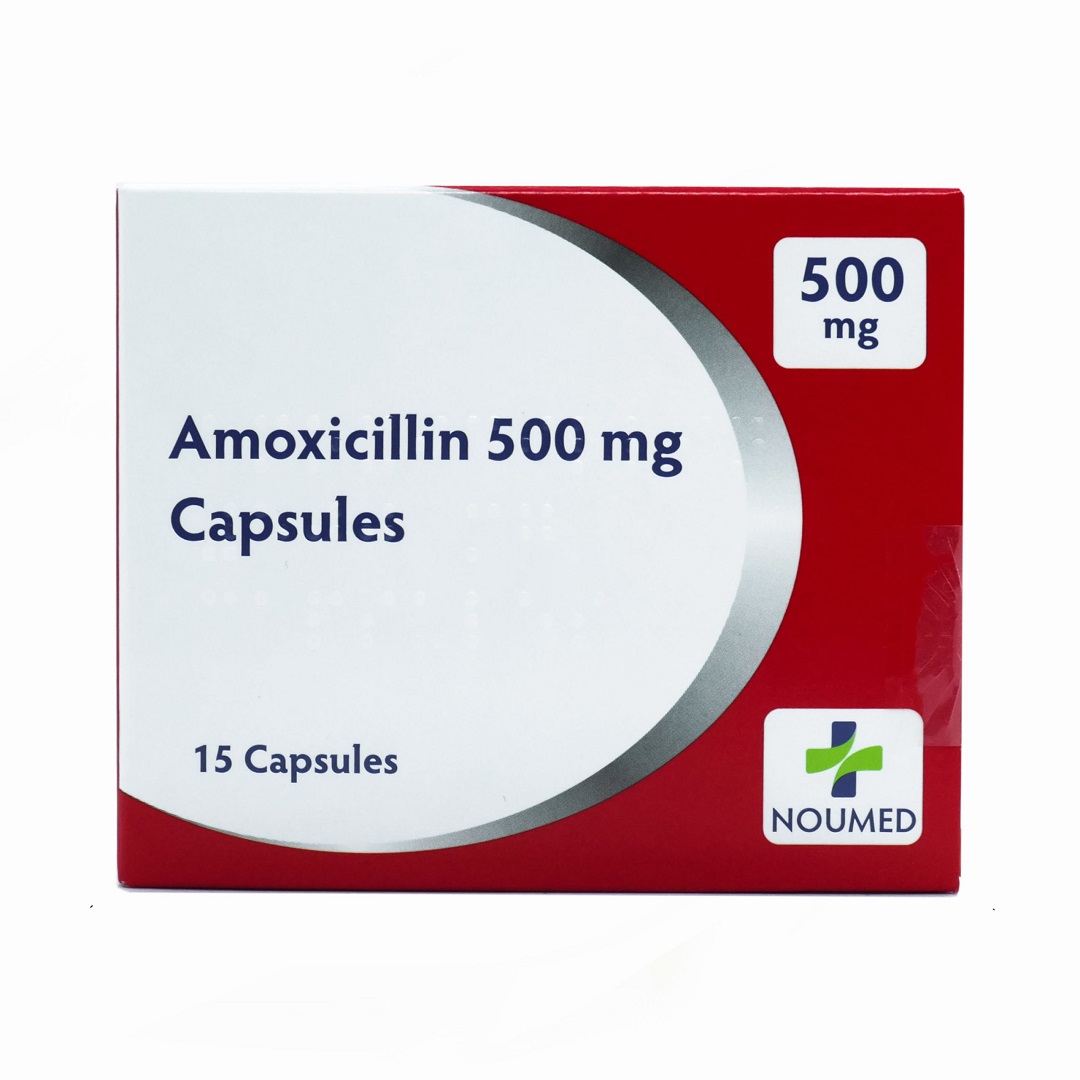
Amoxicillin is a penicillin-type antibiotic used to treat a range of bacterial infections in adults and children.
It works by interfering with the formation of the bacterial cell wall, causing susceptible bacteria to break down and helping the body clear the infection.
Amoxicillin only works against certain bacterial infections and is not effective against viral illnesses such as colds or flu.
What Is Amoxicillin Used For?
Depending on the diagnosis and clinical assessment, Amoxicillin may be prescribed for bacterial infections including:
- Acute bacterial sinusitis
- Certain middle ear infections
- Streptococcal tonsillitis and pharyngitis
- Some chest and respiratory infections
- Community-acquired pneumonia
- Urinary tract infections
- Certain dental infections
- Lyme disease
- Typhoid and paratyphoid fever
It may also be prescribed alongside other medicines as part of treatment for Helicobacter pylori (H. pylori) infection.
A healthcare professional will decide whether Amoxicillin is suitable based on the likely bacteria, severity and location of the infection, age, weight and kidney function.
How Does Amoxicillin Work?
Amoxicillin belongs to the beta-lactam group of penicillin antibiotics.
It prevents susceptible bacteria from properly building and maintaining their protective cell walls. This causes the bacteria to become damaged and die.
Not every bacterial infection responds to Amoxicillin, so antibiotics should only be used following an appropriate clinical assessment.
How Often Is Amoxicillin Taken?
The dose and frequency depend on the infection being treated.
For adults, Amoxicillin may commonly be prescribed two or three times daily, although some infections require different doses or treatment schedules.
Always follow the instructions on your prescription rather than changing the dose yourself.
Can I Take Amoxicillin With Food?
Yes. Amoxicillin can generally be taken with or without food, as food does not significantly affect its absorption.
If you experience mild stomach discomfort, taking your dose with food may be more comfortable.
Capsules should normally be swallowed whole with water.
Complete the Prescribed Course
Continue taking Amoxicillin for the full length of time prescribed, even if you start to feel better before the course has finished.
Stopping treatment early may allow the infection to return.
If you have not started to improve after around 3 to 5 days, or your symptoms become worse at any stage, contact your doctor or other healthcare professional.
Penicillin Allergy
Tell your prescriber before taking Amoxicillin if you have ever had an allergic reaction to:
- Amoxicillin
- Penicillin
- Cephalosporin antibiotics
- Another beta-lactam antibiotic
Serious allergic reactions can occasionally occur and require urgent medical attention.
Possible Side Effects
Like all antibiotics, Amoxicillin can cause side effects. Common effects can include:
- Feeling sick
- Diarrhoea
- Skin rash
Seek urgent medical attention if you develop difficulty breathing, swelling of the face or throat, a severe rash or other signs of a serious allergic reaction.
Responsible Antibiotic Use
Do not:
- Take Amoxicillin without appropriate professional advice
- Use leftover antibiotics from a previous infection
- Take antibiotics prescribed for somebody else
- Change the dose or treatment duration yourself
Using antibiotics only when they are needed helps reduce unnecessary exposure and the development of antimicrobial resistance.
Important Information
Tell your healthcare professional about any other medicines you take and any kidney, liver or other medical conditions before starting treatment.
Always read the patient information leaflet supplied with your medicine and follow the instructions provided by your prescriber.
For professional advice about Amoxicillin, bacterial infections or antibiotic treatment, speak to a qualified healthcare professional at Chesterfield Delivery Pharmacy.
Directions
How Should I Take Amoxicillin?
Always take Amoxicillin exactly as prescribed by your doctor, pharmacist or other healthcare professional. The dose, frequency and length of treatment will depend on the type and severity of the bacterial infection being treated.
How to Take Amoxicillin
- Take each dose at the times stated on your prescription
- Swallow capsules or tablets whole with a glass of water
- Space your doses as evenly as possible throughout the day
- Do not take more than the prescribed amount
- Continue treatment for the length of time your healthcare professional has advised
Depending on the infection, Amoxicillin may be prescribed two or three times a day or according to another specific dosing schedule.
Can I Take Amoxicillin With Food?
Yes. Amoxicillin can usually be taken with or without food.
Taking it with a meal may be more comfortable if you experience mild stomach upset, but food does not normally prevent the medicine from working.
Complete Your Prescribed Treatment
Continue taking Amoxicillin for the full period prescribed, even if your symptoms begin to improve before the treatment has finished, unless a healthcare professional specifically advises you to stop.
Stopping or changing antibiotic treatment without professional advice may mean the infection is not treated appropriately.
What If I Miss a Dose?
If you forget to take a dose:
- Take it as soon as you remember
- If it is nearly time for your next scheduled dose, skip the forgotten dose
- Continue with your normal dosing schedule
- Do not take two doses together to make up for a missed dose
Try to leave an appropriate interval between doses.
What If I Take Too Much Amoxicillin?
Taking more Amoxicillin than prescribed may cause symptoms such as:
- Feeling sick
- Vomiting
- Diarrhoea
- Problems with urination in some cases
Seek medical advice if you have taken significantly more than your prescribed dose or feel unwell.
Important Information
Tell your healthcare professional before taking Amoxicillin if you have previously experienced an allergic reaction to penicillin, amoxicillin or another beta-lactam antibiotic.
Seek urgent medical help if you develop difficulty breathing, swelling of the face or throat, or a severe skin reaction.
Do not share your antibiotics with another person or use leftover Amoxicillin for a different illness.
For professional advice about Amoxicillin, antibiotic dosing or bacterial infection treatment, speak to a qualified healthcare professional at Chesterfield Delivery Pharmacy.
Ingredients
Amoxicillin contains amoxicillin as its active ingredient, supplied in the form of amoxicillin trihydrate. It belongs to the penicillin group of antibiotics and is used to treat susceptible bacterial infections.
Active Ingredient
Depending on the product prescribed, Amoxicillin capsules are commonly available in strengths such as:
- Amoxicillin 250mg, as amoxicillin trihydrate
- Amoxicillin 500mg, as amoxicillin trihydrate
The strength prescribed will depend on the infection being treated, your age and weight, kidney function and other individual factors.
Other Ingredients
The inactive ingredients, also known as excipients, vary depending on the manufacturer and formulation supplied.
For example, some Amoxicillin capsules may contain ingredients such as:
- Magnesium stearate
- Sodium lauryl sulfate
- Colloidal anhydrous silica
- Gelatin
- Colouring agents used in the capsule shell
- Other ingredients required to manufacture and stabilise the capsule
These ingredients do not provide the antibacterial action of Amoxicillin.
Amoxicillin Oral Suspension
Liquid Amoxicillin formulations contain different inactive ingredients from capsules.
Depending on the manufacturer, an oral suspension may contain ingredients such as:
- Sweeteners
- Flavourings
- Preservatives
- Thickeners
- Sodium-containing ingredients
- Colouring agents
Some formulations may contain substances such as sorbitol, aspartame, sodium benzoate or maltodextrin, so the patient information leaflet should always be checked if you have an allergy, intolerance or specific dietary requirement.
Do All Amoxicillin Products Have the Same Ingredients?
No. Amoxicillin is supplied by several manufacturers and is available in different forms, including capsules and oral suspensions.
Products containing the same amount of Amoxicillin can therefore have different inactive ingredients.
Always check the ingredients listed on the packaging and in the patient information leaflet supplied with your specific medicine.
Important Allergy Information
Do not take Amoxicillin if you have previously had a serious allergic reaction to:
- Amoxicillin
- Penicillin antibiotics
- Any of the ingredients in the product supplied
Tell your healthcare professional if you have experienced an allergic reaction to another antibiotic, particularly another beta-lactam antibiotic.
Seek urgent medical attention if you develop symptoms such as swelling of the face, lips, tongue or throat, difficulty breathing or a severe skin reaction after taking Amoxicillin.
Check Your Specific Product
If you have a known allergy, intolerance or sensitivity to medicine ingredients, speak to your pharmacist before starting treatment.
For professional advice about Amoxicillin ingredients, penicillin antibiotics or bacterial infection treatment, speak to a qualified healthcare professional at Chesterfield Delivery Pharmacy.
Warnings
Warnings and Precautions for Amoxicillin
Amoxicillin is a penicillin-type antibiotic used to treat certain bacterial infections. It should only be taken when prescribed or supplied following an appropriate clinical assessment.
Before starting treatment, tell your doctor, pharmacist or other healthcare professional about any allergies, medical conditions and medicines you are taking.
Do Not Take Amoxicillin If:
You should not take Amoxicillin if:
- You are allergic to amoxicillin or penicillin
- You have previously had a severe immediate allergic reaction, such as anaphylaxis, to another beta-lactam antibiotic such as a cephalosporin, carbapenem or monobactam
- You are allergic to any of the other ingredients in the particular product supplied
Serious allergic reactions to penicillin antibiotics can occasionally occur and require urgent medical attention.
Tell Your Healthcare Professional About Previous Antibiotic Allergies
Before starting Amoxicillin, tell your prescriber if you have previously experienced an allergic reaction to:
- Penicillin
- Amoxicillin
- Cephalosporin antibiotics
- Other beta-lactam antibiotics
Seek urgent medical help if you develop:
- Swelling of the face, lips, tongue or throat
- Difficulty breathing or swallowing
- A widespread or severe rash
- Fainting or collapse
Kidney Problems
Tell your healthcare professional if you have reduced kidney function or kidney disease.
Amoxicillin is removed from the body mainly through the kidneys, so the dose may need to be reduced or the interval between doses adjusted in people with impaired kidney function.
Very high doses or reduced kidney function can also increase the risk of seizures in susceptible individuals.
Liver Problems
Tell your prescriber if you have liver disease.
Amoxicillin should be used cautiously in people with significant liver impairment, and liver function may need to be monitored during prolonged treatment.
Glandular Fever
Amoxicillin should generally be avoided if infectious mononucleosis (glandular fever) is suspected because it is associated with a higher likelihood of developing a widespread skin rash.
Severe or Persistent Diarrhoea
Antibiotics can occasionally cause inflammation of the bowel known as antibiotic-associated colitis.
Seek medical advice promptly if you develop:
- Severe diarrhoea
- Persistent watery diarrhoea
- Blood or mucus in your stools
- Significant abdominal pain or cramping
This can occur during treatment or after the antibiotic course has finished. Do not take medicines that stop bowel movement unless a healthcare professional advises you to do so.
Medicines That Can Interact With Amoxicillin
Tell your doctor or pharmacist if you are taking:
- Warfarin, acenocoumarol or another oral anticoagulant – additional blood-clotting tests may be required
- Methotrexate – Amoxicillin can reduce its elimination and increase the risk of side effects
- Allopurinol – may increase the likelihood of an allergic skin reaction
- Probenecid – can increase and prolong Amoxicillin levels and is generally not recommended alongside it
- Tetracycline antibiotics or other bacteriostatic medicines – these may interfere with the antibacterial action of Amoxicillin
Amoxicillin and the Contraceptive Pill
Amoxicillin itself does not normally stop hormonal contraception from working, including the combined pill or progestogen-only pill.
However, if Amoxicillin causes:
- Vomiting
- Severe watery diarrhoea
- Diarrhoea lasting more than 24 hours
your contraceptive pill may not be absorbed properly.
Follow the missed-pill or sickness guidance supplied with your contraceptive and speak to a pharmacist if you are unsure.
Complete the Prescribed Course
Take Amoxicillin for the length of time prescribed and follow the dose instructions carefully.
Do not:
- Use leftover antibiotics from a previous infection
- Share your antibiotics with somebody else
- Change the dose yourself
- Stop or extend treatment without professional advice
Appropriate antibiotic use helps reduce unnecessary exposure and the development of antimicrobial resistance.
Blood and Urine Tests
Tell your doctor or laboratory staff that you are taking Amoxicillin if you are having certain blood or urine tests.
Amoxicillin can interfere with:
- Some urine glucose tests
- Certain liver blood tests
- Oestriol testing during pregnancy
When Should I Seek Medical Advice?
Speak to a healthcare professional promptly if:
- Your infection becomes worse
- Your symptoms do not begin to improve as expected
- You develop severe or persistent diarrhoea
- You experience an unusual or severe skin reaction
- You develop symptoms of an allergic reaction
- You experience repeated vomiting, significant abdominal pain or another unexpected reaction
Important Information
Amoxicillin should only be used for bacterial infections where it is considered an appropriate antibiotic. It does not treat viral infections such as colds or flu.
Always read the patient information leaflet supplied with your medicine and use Amoxicillin exactly as directed.
For professional advice about Amoxicillin, penicillin allergies, antibiotic interactions or bacterial infection treatment, speak to a qualified healthcare professional at Chesterfield Delivery Pharmacy.













Reviews
There are no reviews yet.